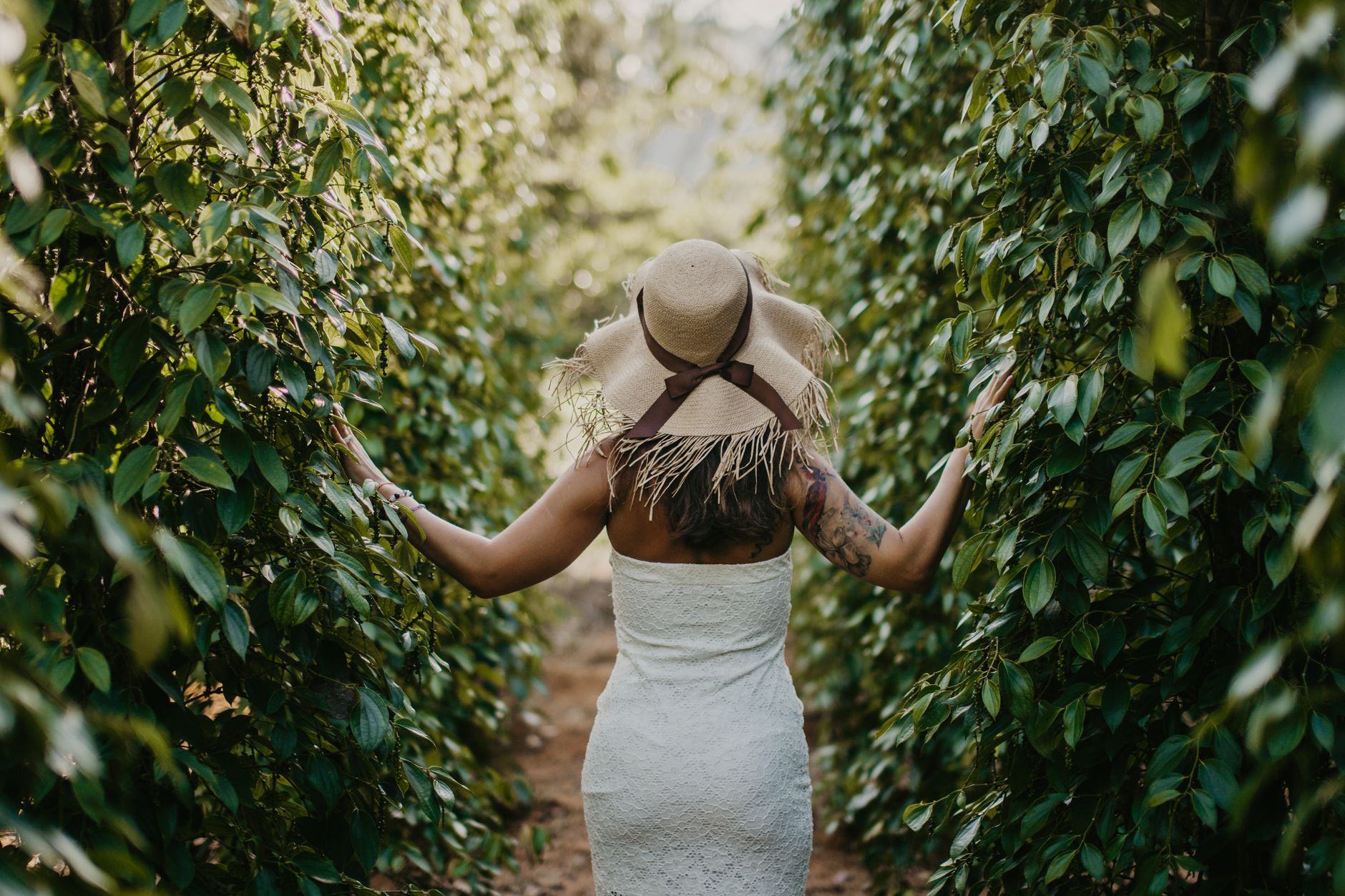
What if your next vacation was inspired by a coffee plantation, a truffle hunt or a field of purple flowers hiding one of the world’s most expensive spices? Welcome to biteseeing, a growing travel trend which encourages food lovers to swap traditional sightseeing for experiences centered around local ingredients, culinary traditions and regional delicacies. New research from GetYourGuide suggests that food experience bookings have outpaced traditional sightseeing excursions by 47% compared to 16% year-over-year. There’s something fascinating about discovering where our favourite foods come from, learning how they’re produced and tasting them at the source, so I understand the appeal. With that said, here are 10 unique food experiences around the world worth travelling for.
Before we get into the article, subscribe for new Adventures from Elle.
1. Jamaican Blue Mountain Coffee

Let’s start this list close to home! As a Jamaican, I’ve written about Blue Mountain coffee a lot because Jamaica is known for producing some of the world’s most sought-after coffee. Blue Mountain coffee is grown in the cool, misty elevations of the Jamaican Blue Mountains where the climate and rich soil create ideal growing conditions. This coffee plantation tour allows visitors to explore the cultivation process, learn how coffee cherries are harvested and processed, and discover what makes this particular variety so special. Of course, the highlight is sampling freshly brewed Jamaican Blue Mountain coffee while surrounded by the beautiful mountain scenery.
2. Olive Oil Tasting in Corfu, Greece

Greece is famous for its olive oil, and the island of Corfu offers a wonderful opportunity to discover the traditions behind this Mediterranean staple. Visit this olive farm to explore traditional stone milling techniques, learn about modern production methods and discover how olives are transformed into extra virgin olive oil. The experience culminates in an olive oil tasting where you’ll appreciate the differences in aroma, texture and flavour. Olive oil offers numerous health benefits such as reducing LDL (bad cholesterol) and inflammation, so this is a food tour I can get behind!
3. Truffle Hunting in Tuscany, Italy

Imagine spending a day wandering through the Tuscan countryside with a local truffle hunter and their specially trained dog, searching for one of the world’s most prized culinary ingredients. In San Gimignano, visitors can experience this age-old Italian tradition, learning how dogs sniff out elusive truffles hidden beneath the soil. This adventure ends on a delicious note– handmade pasta featuring freshly prepared truffles and a glass of local wine.
4. Vanilla Cultivation in Tenerife, Spain

When most people think of vanilla, Madagascar probably comes to mind. But, did you know that you can discover vanilla cultivation in the Canary Islands too? Tenerife offers an unexpected opportunity to explore vanilla growing in a subtropical food forest. Visit this plantation to learn how the delicate vanilla orchid is cultivated, how its pods are harvested and the lengthy curing process required to develop that familiar fragrance and flavour. You’ll never look at vanilla the same again, considering that many vanilla-flavoured products we taste are actually from synthetic vanillin and not true vanilla.
5. Saffron Harvesting in Abruzzo, Italy

Often called red gold, saffron is one of the world’s most expensive spices but have you ever wondered why? In Navelli, Italy, visitors can discover the traditional harvesting of this precious ingredient. During harvest season, fields are covered in purple crocus flowers, each producing just three delicate crimson stigmas. These threads are carefully extracted by hand, and thousands of flowers are needed to produce a relatively small quantity of saffron. An early morning visit to this field offers a rare opportunity to appreciate the labour behind this luxurious spice and understand why it commands such a high price.
6. Sardine Canning in Setúbal, Portugal

Portugal is famous for its seafood, but one of its most recognisable culinary souvenirs is surprisingly simple: the humble canned sardine! In Setúbal, a coastal town south of Lisbon, visitors can discover the history and traditions of Portugal’s sardine industry. Explore local markets, learn about fishing culture and discover how sardines are transformed into beautifully packaged tins of seafood. Portuguese canned fish is something of an art form, with colourful packaging and traditional production techniques making these tins popular souvenirs.
7. Salt Harvesting in Lanzarote, Spain

It’s probably the most ordinary ingredient in your kitchen, but salt has a surprisingly fascinating history. On the volcanic island of Lanzarote, the Janubio Salt Flats offer a glimpse into traditional salt production against a dramatic landscape. Take a guided tour to learn how seawater is channeled into evaporation pools then collected, and how traditional harvesting methods have been preserved over generations. The colourful landscape is also a photographer’s dream!
8. Wasabi Farming in Azumino, Japan
If you’ve ever eaten sushi, chances are you’ve encountered wasabi. However, what you’re accustomed to eating might not be the real thing! Much of the green paste served alongside sushi outside Japan is made primarily from horseradish and mustard. Authentic wasabi comes from the grated rhizome of the wasabi plant. In Azumino, visitors can explore a traditional wasabi farm, learn about the plant’s particular growing requirements and discover how it’s harvested and prepared. Wasabi requires cool, clean, flowing water, making its cultivation a fascinating agricultural process. Naturally, the highlight is tasting authentic wasabi!
9. Caper Farming in Salina, Italy

Those little salty, tangy buds that add flavour to salads, pasta and Mediterranean dishes have quite an interesting origin story. Salina, one of the Aeolian Islands off Sicily, Italy, is particularly famous for its capers. The island’s volcanic soil and Mediterranean climate provide ideal growing conditions. A visit to a local farm offers an opportunity to explore traditional caper cultivation, learn how the buds are harvested and discover how they’re preserved in salt or vinegar. It’s also a great way to appreciate how an ordinary ingredient can become an important part of a destination’s identity.
10. Cheese & Chocolate-Making in Switzerland

Switzerland is synonymous with cheese and chocolate, so there’s no better way to understand the country’s culinary heritage than by visiting a Swiss dairy and chocolate factory. I ate my fair share of Swiss cheese and chocolate last month, and while I didn’t get around to taking a tour, I can see how it would’ve been a lovely addition to my itinerary if time had permitted. On a Swiss cheese tour, you can learn traditional techniques, watch the production process and sample varieties such as Gruyère and Appenzeller. This tour has a sweet finish at the world’s largest Lindt Chocolate Shop where you can learn about how cocoa is made into chocolate, admire a 9m tall chocolate fountain and eat your weight in chocolates.
Wrap Up
Well, is biteseeing the future of travel? I think there’s something wonderful about this shift towards ingredient-led travel. It’s one thing to visit a destination and admire its architecture and famous landmarks, but understanding what grows there, what locals eat and how traditional foods are produced adds meaningful depth to travel. Perhaps it’s time for us to rethink our travel itineraries for 2027 and beyond! Instead of asking which landmarks you should visit, start by asking which local ingredients are worth travelling for. Have you ever travelled for a food experience or would you travel for any of these? Sound off in the comments section below! ‘Til next time.
If you enjoyed this article, you may also like:
- 8 Jamaican Food & Drink Tours Worth Taking
- 10 Unique Jamaican Foods Worth Trying
- 10 Must-Visit Jamaican Food Festivals
Find Elle on Facebook, Instagram & lend your support to keep me on the road.




Leave a Reply