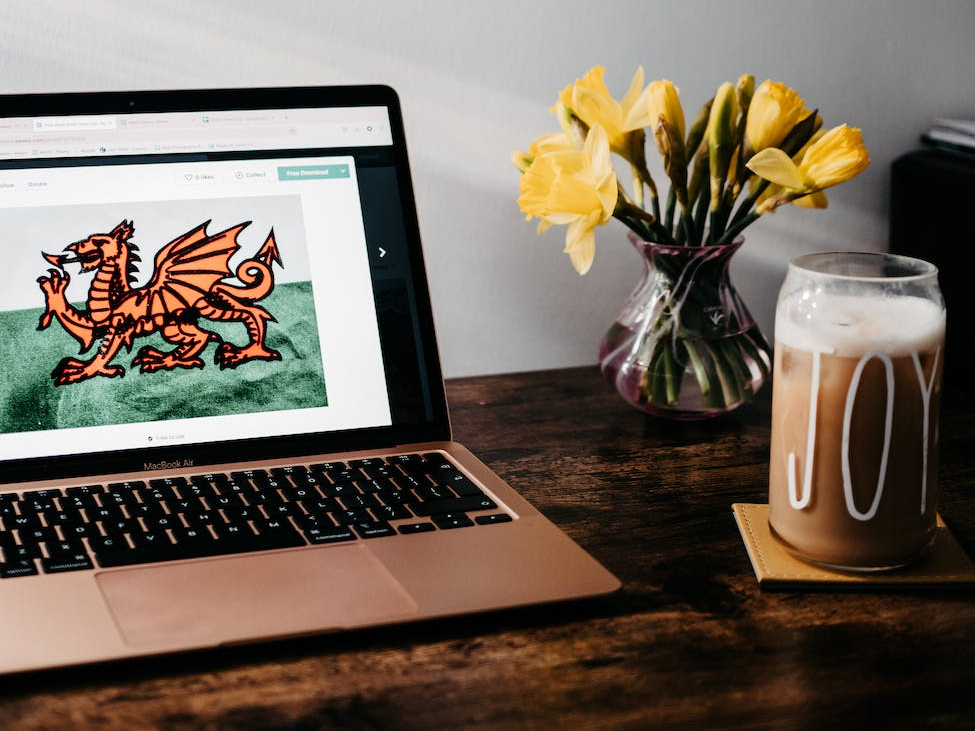
Last week’s article on Oktoberfest & Jamaica’s German legacy was so well received that I decided to continue this history series. Plus, this research is super fun! Similar to the Germans, the Welsh migrated to Jamaica in smaller droves but their presence is a lot more tangible today. The Welsh arrived to Jamaica alongside the British in the mid-1600s, but even before then Welsh pirate Henry Morgan was already raiding settlements and shipping bases in Port Royal. In fact, Henry Morgan was one of the richest pirates in the Caribbean and served as one of Jamaica’s earliest Lieutenant Governors under British rule. Most Welsh migrants to Jamaica were ministers of religion and plantation managers especially from the Anglican, Moravian and Methodist faiths. Others were artisans, sailors and labourers. With that said, let’s share five facts about Welsh legacy in Jamaica.
Before we get into the article, please subscribe for new adventures.
Also, check out my book and GetYourGuide storefront for more travel ideas.

1. Many Jamaicans Have Welsh Surnames.

As a legacy of Welsh migration to Jamaica, many Jamaicans still have Welsh last names to this day. These Welsh surnames include: Boyd, Evans, Goffe, Griffiths, Howell, Hughes, Lewis, Lloyd, Morgan, Morris, Vaughan and Vaughn. To the Jamaicans reading this, I’m sure you can think of MANY people with these Welsh surnames.
2. Welsh Place Names in Jamaica

Some Jamaican towns and landmarks have Welsh names, indicating early Welsh settlement and influence. These include:
- Bangor Ridge and Chepstowe in Portland
- Newport in Manchester
- Llandewey in St. Thomas
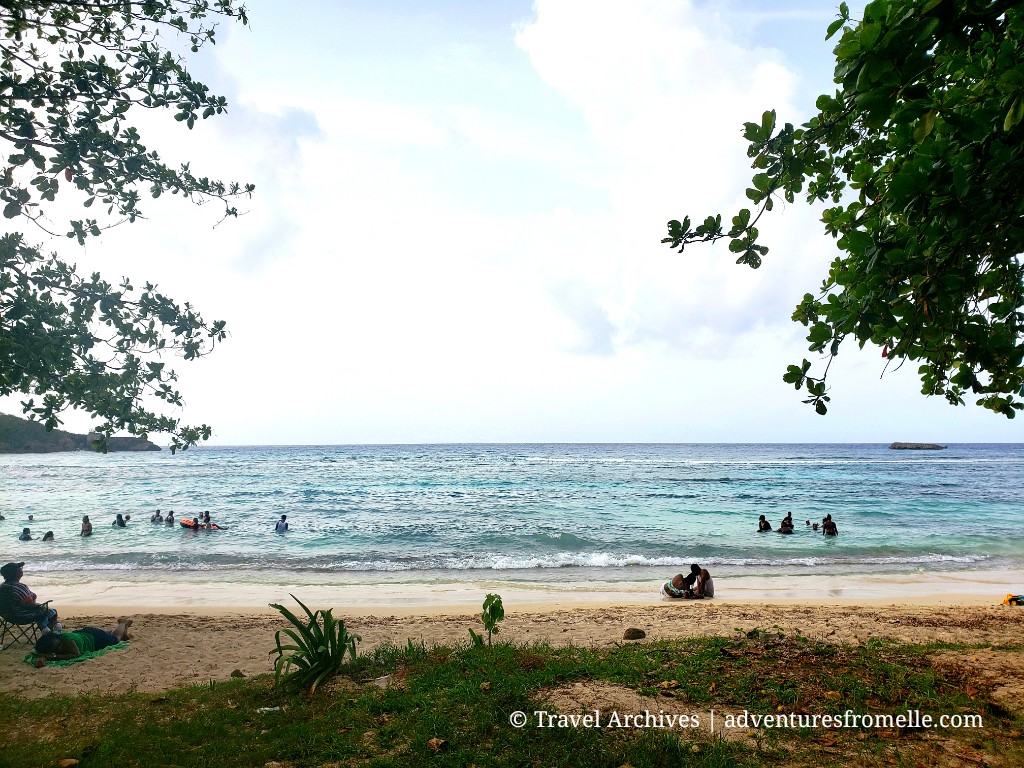
- Cardiff Hall in St. Ann is named for Cardiff, the capital of Wales. It is home to a lovely beach by the same name.
- The name Denbigh in Clarendon comes originally from North Wales. It hosts an annual agricultural show.
- Llandovery in St. Ann originates in north-east Carmarthen, Wales. It included, for some years, a sugar estate which was incorporated with Richmond. The land was once owned by pirate Henry Morgan but is now the site of the Chukka Cove adventure park.
- Pantrepant in Trelawny, now a private luxury private retreat owned by Chris Blackwell.
- Pembroke in St. Mary is originally a Welsh place name and was owned in 1811 by Hungerford Spencer.
- Pennants, a village set deep within the central Jamaican parish of Clarendon was named after the Pennant family of Penrhyn Castle, Bangor, north Wales. The Pennant family owned sugar and slave plantations in Jamaica, with Pennants being one of their first and largest. Today, the Pennant family in Wales is quite wealthy while the community of Pennants is poverty-stricken and plagued by frequent floods and poor infrastructure.
- Wales in Manchester was owned by Edward Morgan, a Welshman, who named it in 1811 for the country from which he came.
- Ythanside is in the parish of Portland and was named after a place in Wales. It was first owned by William Espeut who settled in Portland in 1868.
Also, Jamaica once had a St. David parish (part of present-day St. Thomas) in the 1600s which was perhaps named after the patron saint of Wales, whose day is celebrated with daffodils and leeks every March 1 in Wales.
3. The Welsh Influenced Jamaica’s Protestantism.

Christianity is the dominant religion in Jamaica, brought to the island by European colonizers. However, while England is the island’s last colonizer, Anglicans (Church of England) only comprise 4% of Christians in Jamaica. The island is predominantly Protestant with 24% Church of God, 11% Seventh-day Adventist, 10% Pentecostal and 7% Baptist. This culture of Protestantism was inspired by the Welsh who were historically non-conformist from as far back as the 1700s.
With over 1,600 churches, Jamaica holds the Guinness Book of World records for the most churches per square mile! Ironically, we also hold the record for most bars per square mile.
4. The Welsh Inspired Jamaica’s Annual Festival Competitions.

The annual Jamaica Festival Movement which occurs in the summer leading up to the Emancipation and Independence (“Emancipendence”) festivities was patterned from the Welsh summertime festival of Eisteddfod. Since its 18th-century revival, the Eisteddfod tradition has been carried all over the world by the Welsh diaspora. Similar to Wales, Jamaica’s Festival season celebrates the island’s culture with music, folk dance and literature. Annual staples in the local festival movement include the Festival Song show, National Festival Queen Coronation, Mello-Go-Round, Festival village with games and treats on sale and a gospel show. The movement usually culminates with the Independence Day Grand Gala which has stage shows, fireworks and more.
5. Welsh Architecture

Examples of Welsh architectural expertise can be found in the low stone walls of Jamaica’s northwestern parishes where the stones look as if they fit almost seamlessly together, as well as the slate roofs which cover many Jamaican 18th & 19th century sugar works. Many of these slate roofs are still standing to this day, surviving hurricane after hurricane. How cool is that.
Wrap Up
As I close, I think it’s important to acknowledge that Jamaica’s Welsh legacy, like other historical influences, has complex layers that include both positive contributions and negative aspects, such as the involvement of Welsh settlers in the slave trade and plantation system. Nevertheless, Welsh heritage is an integral part of Jamaica’s rich history, contributing to the country’s identity and diversity. Did you know about Jamaica’s Welsh heritage? Let me know in the comments below. As always, thanks for reading! If you enjoyed this post, don’t forget to subscribe.
You may also like:
- Easter celebrations in Jamaica
- Christmas celebrations in Jamaica
- German legacy in Jamaica
- British Legacy in Jamaica
‘Til next time.
Find Elle on Facebook, Instagram & lend your support to keep me on the road.







Leave a Reply