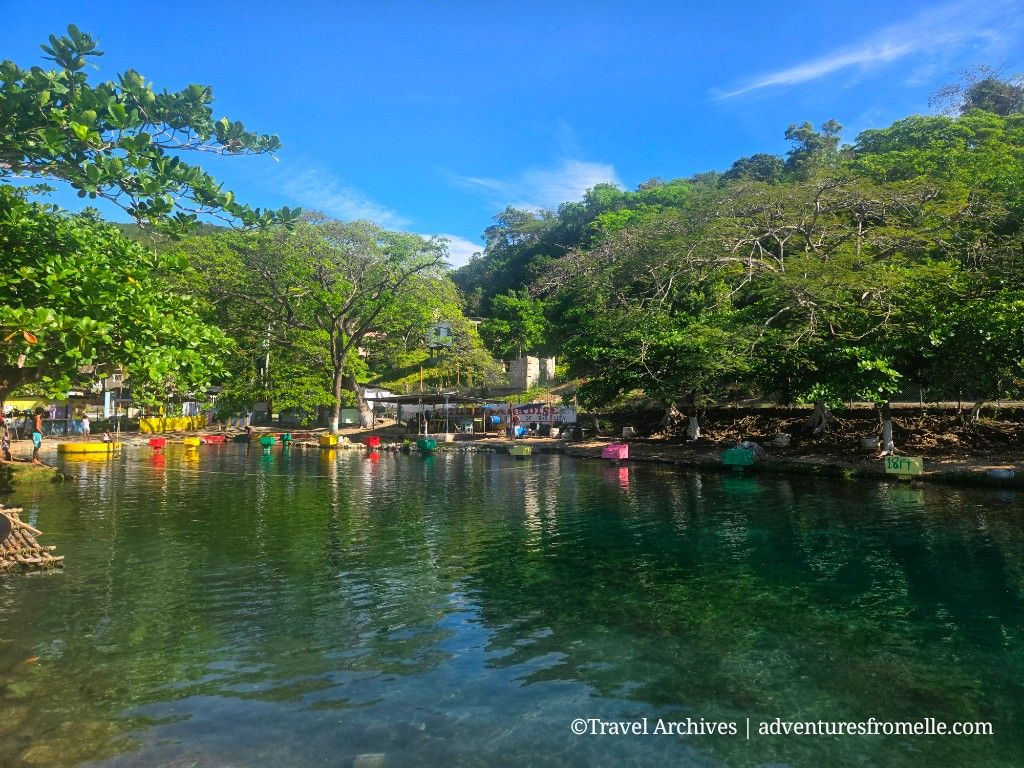
One of my favourite parts about living in Kingston, Jamaica is the city’s close proximity to rural oases. City living is filled with noise, concrete and traffic, but wild green spaces, rivers and mountains are always within a 20-km radius in Jamaica. I’ve spent the past ten years visiting and documenting as many of the island’s treasures as I can with a full-time job, but imagine– there are still places under my nose left to explore. Caymanas River was one such place, a serene nature spot if you time your visit well. Here’s how my visit to Caymanas River went.
Before we get started, subscribe for new adventures from Elle.
Also, check out my books and GetYourGuide storefront for more travel ideas.

How to Find Caymanas River

Caymanas River is located just off Mandela Highway and Highway 2000, 3 kilometres away from the suburban Caymanas Country Club Estate housing scheme in Portmore. The river is easy to find using Google Maps, and is located 30 minutes away by car from Kingston. The road had a few potholes but was pretty decent. Admission costs JM$500 and JM$300 on Mondays to Saturdays, adult and child prices respectively. The price increases to JM$1,000 and JM$600 on Sundays and public holidays. For the admission fee at Caymanas River, you get access to a parking lot, changing rooms and restrooms. The restrooms were clean, but the changing rooms reeked of urine. The cleaning lady hadn’t gotten around to cleaning them yet, and apologized for the terrible state in which some patrons had left them on the day prior.

Food and drinks were on sale, while flotation devices and life vests were available for rent. There’s even bamboo rafting now available; the Jamaican enterprising spirit is unmatched.
The History of Caymanas

Understanding the history of a place deepens your appreciation of its people and culture, allowing you to experience it with greater context and meaning rather than just as a surface-level destination. Once known as the Camoens, the history of Caymanas dates back to the 17th century as a sugarcane estate which produced sugar, molasses and rum with enslaved African labour. Caymanas and its neighbouring town of Ferry was the halfway mark between Kingston and Spanish Town, which served as the capital of Jamaica from 1534 to 1872. Caymanas River drains into the Fresh River, also called Ferry River, as it was the site of a popular ferry from 1677 to 1703 until the construction of Ferry Bridge (now called the Mandela Highway). Ferry was home to the Ferry Inn, a resting place and Jamaica’s oldest tavern which was established in 1684. The old stone buildings of Ferry Inn were incorporated into the Coney Amusement Park of the 1990s, then later incorporated into Hydel, a private school. A massive silk cotton tree known as ‘Tom Cringle’s Cotton Tree’ once stood a few blocks away for 300 years until collapsing from a hurricane in 1971.
Exploring Caymanas River

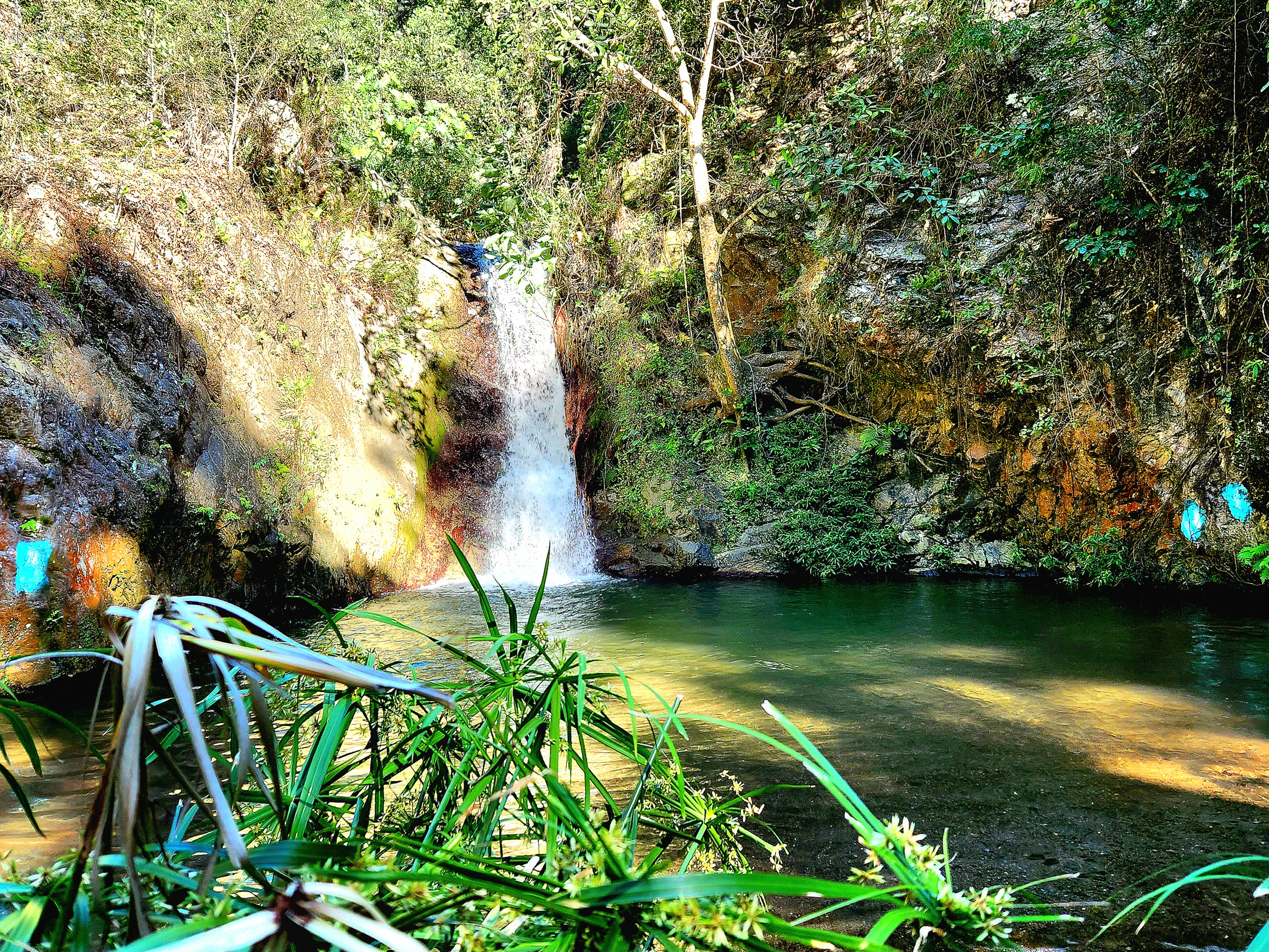
I had a good time, but reviews of Caymanas River are quite mixed and understandably so. Timing is everything. If you want peace and quiet at Caymanas River, especially on weekends, you have to visit before 10am. By 10am, expect loud blaring music as this is a popular river party venue. I reached at 8:30am so there were only about 20 other patrons there, and it was calm, peaceful and family-friendly. The only sounds were birds chirping and the playful shouts from excited children. The water was cold and refreshing, but unlike other Jamaican rivers I’ve visited, Caymanas River is chemically treated so it felt more like a giant natural swimming pool than a river. It wasn’t unpleasant though, just different. I appreciated that the water’s depth was clearly marked, ranging from 3 to 20 feet deep but please be careful as unfortunately, a child drowned here as recently as December 2025.

By 10am, we were ready to leave just as the crowds began to roll in and the music started. I felt safe at Caymanas River, but the area has a negative reputation for crime and violence. That being said, crime is currently at a historic low in Jamaica, the lowest it has been in over thirty years! As such, don’t be deterred by the community’s past, especially for an early morning swim. But, as with usual traveler’s common sense, don’t go with a lot of valuables to attract attention.
Wrap Up
There’s a lot of interesting gems and history to unpack in St. Catherine, Jamaica but I hardly explore due to concerns for personal safety. Jamaica is a beautiful country but there are certainly parts of it I wouldn’t recommend exploring– Spanish Town, Ferry and environs are one of those places. That being said, as safety in Jamaica continues to improve, perhaps I’ll be able to explore more of this parish. Have you ever visited Caymanas River, or would you like to visit? Did you learn anything new today? Sound off in the comments section below. ‘Til next time.
If you enjoyed this post, you may also like:
- Colbeck Castle, St. Catherine
- Mountain River Cave & Falls, St. Catherine
- Worthy Park Estate Tour, St. Catherine
- 6 Rivers to Explore Near Kingston, Jamaica
Find Elle on Facebook, Instagram & lend your support to keep me on the road.





Leave a Reply to Tasia MCancel reply