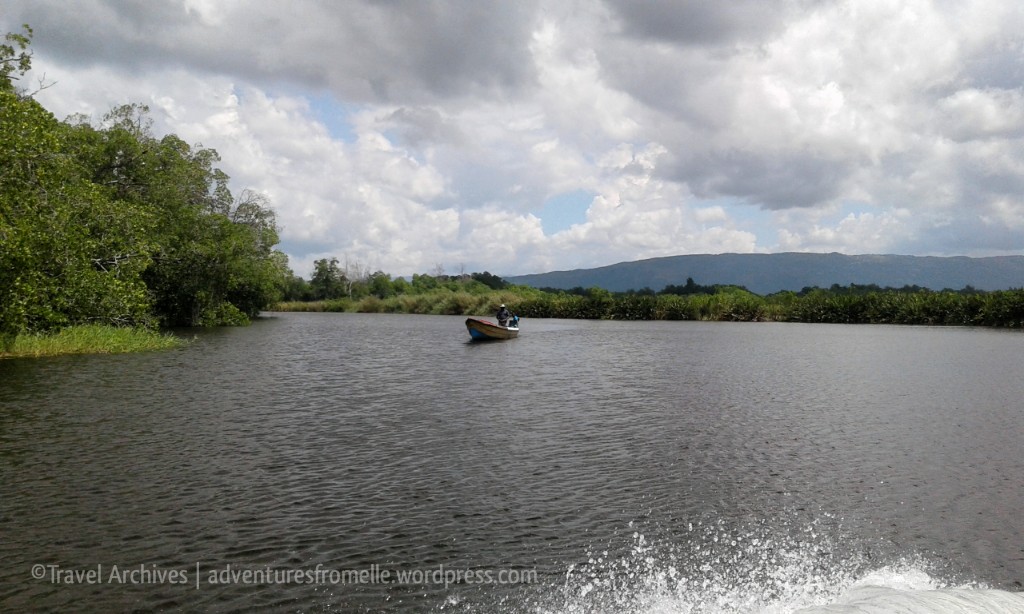
Black River is Jamaica’s widest river and home to our largest and most feared reptile, the American crocodile. Jamaica’s crocodiles are mainly found along the south coast, and the Black River is the best place to see them up close. Run by J. Charles Swaby, the Black River Safari offers pontoon boat rides which carries one onto the river where they’ll hopefully get a chance to see the crocs in their natural habitat. If you visit on a day where the crocs are shy, you won’t leave disappointed by the natural beauty of the river and its vegetation. Also, you’ll still get a chance at seeing them up close in the nursery which is included in each tour. Consider taking a combined tour to the YS Falls and Black River Crocodile Safari.

Before we get into the article, subscribe for new adventures from Elle.
Also, check out my book and GetYourGuide storefront for more travel ideas.

Entry Fees + How to Find the Black River Safari

Use GPS to guide you to the community of Black River and the safari. You’ll pass over a metal bridge just before the entrance to the safari’s property. Ample parking is available. They’re open everyday and have five tour times starting at 9:00am, 11:00am, 12:30pm, 2:00 and 3:00pm. Walk-ins are welcome and each tour lasts for an hour. Entry costs JM$1,200 for locals with valid ID and US$15 for foreigners. They have restrooms, a snack bar and benches. However, it’s not uncommon to see crocodiles sunning along the pier.


The Black River Safari Tour

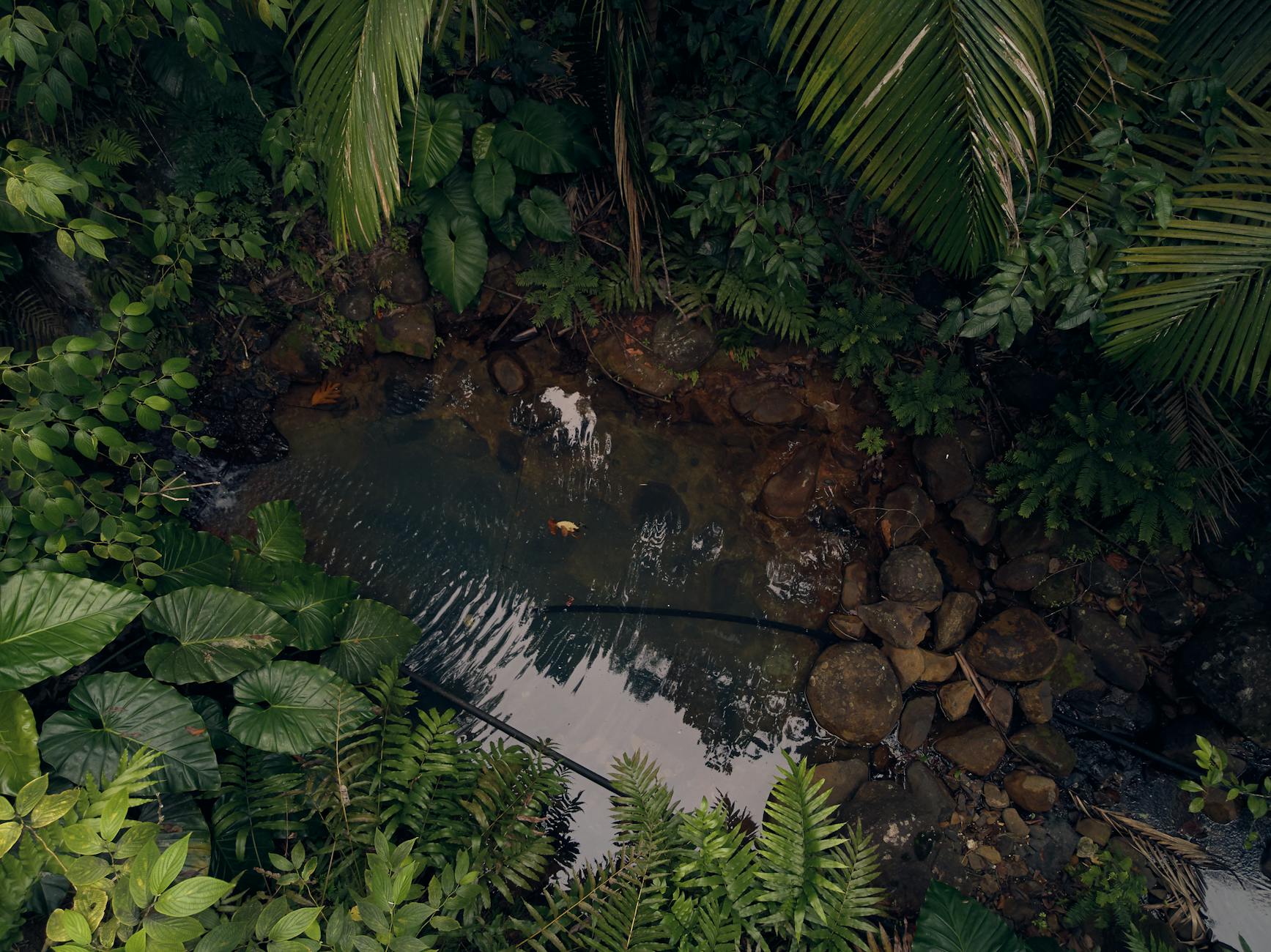
I took the 11am tour on a Sunday but it started a little late as they tried to round up all their visitors to take the same tour. The Black River Safari tour begins downstream where the water was a murky brown due to recent rain, but gradually evolved to become a stunning shade of glossy ebony black. The water was a perfect looking-glass; I’ve never seen anything like it. Interestingly enough, the water is crystal clear as our guide demonstrated by leaning over and filling a clear plastic water bottle. However, the riverbed’s soil is pitch black, coloured by the dyes produced from logwood trees which are grown along the riverbank, remnants of Jamaica’s logwood industry centuries-past. My knowledgeable guide pointed out the beautiful wetland plants such as red mangroves which tower high above the water on stilt-roots.


However beautiful the water and plants were, the crocs were the star of the show. After all, that’s what we came to see and we sighted three. They all have names and the guide knew exactly which part of the river to look for them. Only one revealed itself well enough for a neat photograph. The other two lived up to their supposedly timid nature, revealing no more than a mere eye and snout above the water and paying us no more than a bored glance. That’s quite alright with me, though!

Croc Nursery At the Black River Safari
The nursery houses crocodiles at varying stages of the life cycle which were rather interesting to see! They’re no longer than a 12-inch ruler at birth then grow to reach adult lengths of 6.1m (20 feet) after a decade! As with many other species in the Animal Kingdom however, the females are smaller and rarely exceed 3.8 m (12.5 ft) in length as adults.


Fun Facts About Jamaica’s Crocodiles
- American croc populations are found in southern Florida and the Atlantic and Pacific coasts of southern Mexico to as far south as Peru and Venezuela in South America. They also live on many of the Caribbean islands such as Cuba, Jamaica, Hispaniola and Grand Cayman.
- Adult American crocodiles have no natural predators and almost any terrestrial or riparian animal they encounter is potential prey. Of course, Man has been proving a formidable predator by destroying crocodile populations with not only habitat clearing but also poaching for leather and food. Yes, you read that right but this is an illegal act in Jamaica as these creatures are a vulnerable species and protected BY LAW.
- The habitat of the American crocodile consists largely of coastal areas. They are also found in river systems, but have a tendency to prefer, not merely to tolerate, some level of salinity, resulting in the species congregating in brackish lakes, mangrove swamps, lagoons, cays, and small islands. Thus, the mouth of the Black River suits them perfectly!
- Fish, reptiles, birds and small mammals make up the majority of their diet.
- The species is often reportedly timid and seemingly lacks the propensity to attack people as regularly as Old World crocodiles do. They mainly attack when provoked or if a nesting mother views you as threat to her offspring.
Wrap Up
This was a quite an interesting trip with a lot to see! I respect the conservation work which takes place at the safari too although admittedly and perhaps naïvely, I fail to appreciate how much different our lives and ecosystems would be without these creatures. Anyway, I’m happy to have visited a second time in 2019 and see updates since my first trip.
‘Til next time! ✌🏽🐊
2019 Updates:


Find Elle on Facebook, Instagram & lend your support to keep me on the road.








Leave a Reply