Did you know that at one point in history, Jamaica was Spanish speaking? The first Europeans to colonize Jamaica were the Spanish and they occupied the island from 1509 until 1655 when the British invaded and captured Jamaica. Though their time in Jamaica was relatively brief, Spanish colonization in Jamaica still left a lasting impact. Today, let’s talk about four legacies of former Spanish rule and settlement in Jamaica.
Before we get started, subscribe for new posts every Friday.
Also, check out my book and GetYourGuide storefront for more travel ideas.

1. Spanish Place Names

Several Jamaican place names are Spanish words or bear a Spanish influence. For example, Ocho Rios is a popular resort town on Jamaica’s north coast and means “Eight Rivers” in Spanish, bearing testament to the former Spanish colonial presence on the island. Interestingly enough, this name is a misnomer as Ocho Rios only has four rivers, namely Dunn’s River, Cave River, Roaring River and Turtle River. Some places in Jamaica which still have Spanish names are:
- Cabarita River in Westmoreland, and the Cabarita Island off the coast of St. Mary
- Galina Point which bears a lighthouse by the same name is found in St. Mary and has its origins in what the Spanish called Gallina Punta.
- Mount Diablo in St. Ann means “Devils Mountain”, which references the steep treacherous path to get there.
- Oracabessa is found in the parish of St. Mary and has its origins from the Spanish words “Oro Cabeza”, meaning golden head.
- Port Antonio, capital of the Portland parish, is derived from its Spanish name: Puerto de San Antonio.
- Port Esquivel, located in the parish of St. Catherine, was named after the first Spanish governor of the island, Juan d’ Esquivel.
- Port Maria is the main town of St. Mary and is the English equivalent of what the Spanish once called Puerto Santa Maria.
- Puerto Seco is the name of a popular north coast beach in Jamaica and means “Dry Port.”
- Rio Bueno is located in Trelawny and means “Good River.”
- Rio Cobre is located in St. Catherine and means “Copper River.”
- Rio Grande is located in Portland and means “Big River.”
- Rio Minho, located in Clarendon, is the longest river in Jamaica at a length of 92.8km. Its name comes from Rio de la Mina (“River of the Mine”) because the Spaniards found traces of gold in its sands, and tried setting up a small mine at Longville, Clarendon several centuries ago.
- Savanna-la-Mar is the capital of the parish of Westmoreland and is the English’s reference to what was Sabana-de-la-mar for the Spaniards, which means the plain by the sea.
- Seville in St. Ann, originally called Sevilla la Nueva, was home to Jamaica’s first Spanish settlement and capital. This site now lies on the tentative list for UNESCO World Heritage Site inscription.
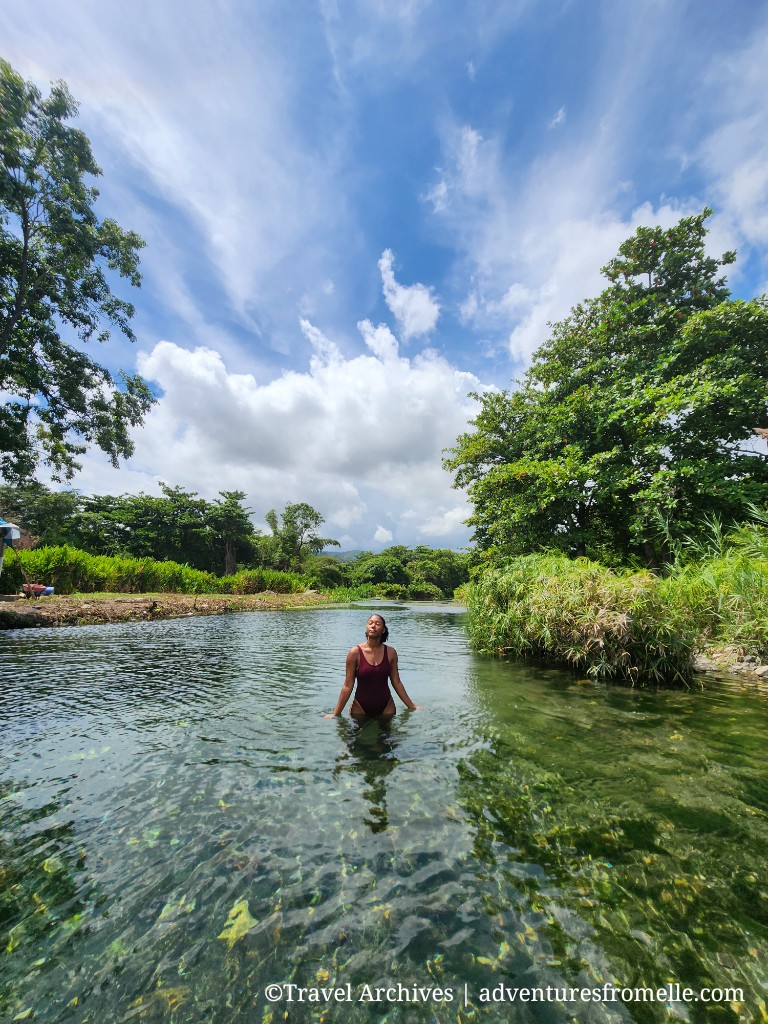
Other place names in Jamaica with Spanish influence are Spanish River in Portland, the city of Montego Bay (coming from manteca=lard/butter, as Montego Bay once exported lard to Spain), and the Queen of Spain Valley in Trelawny.
2. Agriculture

The Spanish introduced several crops to Jamaica such as sugarcane, bananas, citrus fruits, and other staples. The Spanish also introduced most of the animals which are currently on the island, such as pigs, horses, goats and chickens. These crops and animals have played a crucial role in shaping the island’s economy and diet.
3. Religion
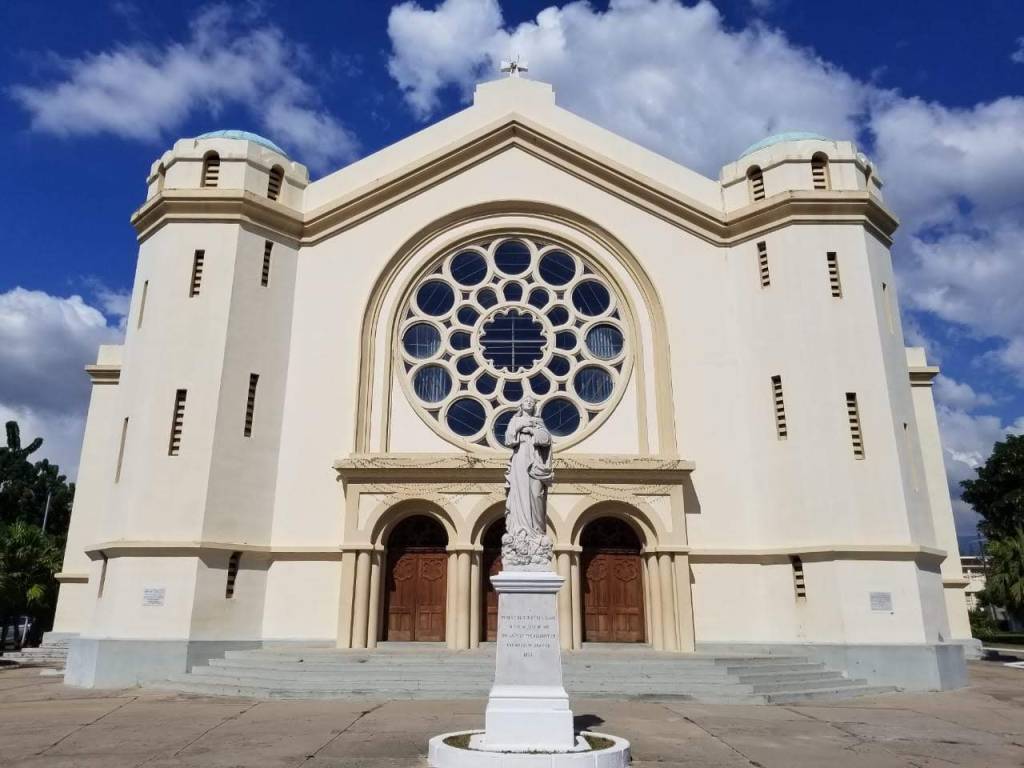
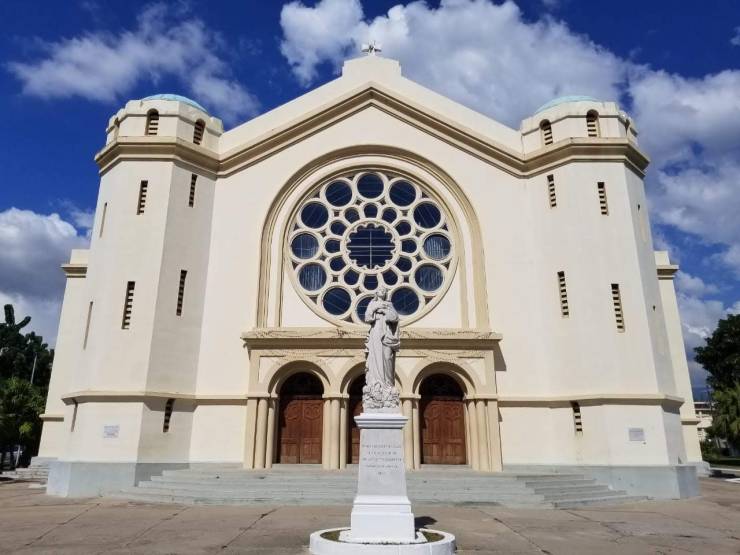
Catholicism was introduced to Jamaica by the Spanish, and still has a presence on the island today. While only 2% of present-day Jamaicans identify as Catholic, the Catholics still run many of the island’s top schools and charities. Fun fact, I attended a Jesuit Catholic high school! Also, some of Jamaica’s most beautiful churches are Catholic such as the Holy Trinity Cathedral pictured above.
4. Historical Buildings
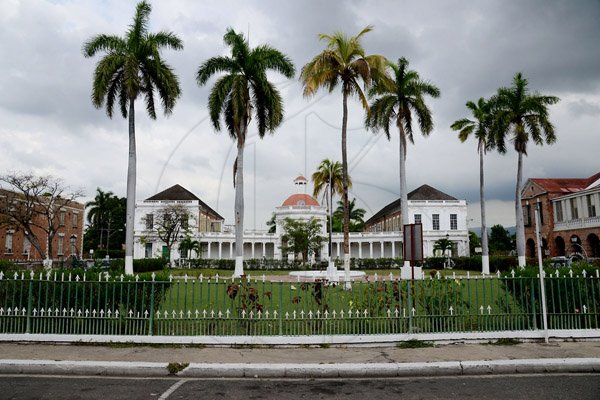
The Spanish settlement of Villa de la Vega, now known as Spanish Town, was founded by the Spanish in 1534 and served as the capital of Jamaica until 1872 after which the capital was relocated to Kingston. As such, there are several historic buildings which remain in the town’s centre today. The Emancipation Square in Spanish Town is generally acclaimed to be the most impressive of its kind in the West Indies. Today, you can admire what’s left of the Old King’s House from which the proclamation of the abolition of slavery was read in 1838. However, the structure was destroyed by fire in 1925 leaving only the main eastern façade and the stables. There’s also the Old House of Assembly, the Old Court House, Rodney’s Memorial, the Phillippo Baptist Church and the Old Cast Iron Bridge, built in 1801. In fact, this bridge still remains in use today.
Wrap Up
The Spanish colonial period in Jamaica, though relatively short, left a lasting impact on the island’s culture and history. The legacies of this era can be found in Jamaica’s place names, architecture, cuisine, religion, art and agriculture. These cultural connections to the Spanish period continue to enrich Jamaica’s vibrant heritage, demonstrating the enduring influence of Spanish presence on the island.
If you liked this post, you may also enjoy:
- 6 Sculptures Which Define Kingston
- 5 Jamaican Taino Sites You Can Visit
- The Cultural Ties Between Scotland & Jamaica
Before you go, don’t forget to subscribe. ‘Til next time.
Find Elle on Facebook, Instagram & lend your support to keep me on the road.

 Adventures from Elle
[…] https://adventuresfromelle.com/2024/01/12/spanish-legacy/ […]
LikeLike
So interesting to learn about the history of these places!
LikeLiked by 1 person
My pleasure! Thanks for reading
LikeLiked by 1 person
Amazing post!
LikeLiked by 1 person
Thank you!
LikeLike
Your research and information skills are awesome, Rochelle. I learned so many interesting things from this post. Beautiful photos 👌
LikeLiked by 1 person
Thank you so much! It’s always a pleasure to share and I learn a lot too in the process ❤️
LikeLiked by 1 person
Fascinating! Given its prime location for trade and agricultural resources, it’s no wonder that Jamaica has been colonized by several European powers, including the Spanish. It’s great to take a trip throughout the lasting influences the Spanish had, despite their brief time on the island. Thanks for sharing, Elle!
LikeLiked by 1 person
My pleasure. 😊 Thank you for reading! Jamaica’s location has certainly been strategic for multiple foreign countries
LikeLiked by 1 person
This was so interesting!! Although I truthfully don’t know much about Jamaica, I definitely wouldn’t have guessed!! Thank you so much for this insightful post!
LikeLiked by 1 person
You’re most welcome! And thank you for reading 🫂
LikeLike
Spanish seem to have been the first colonisers of many places- the Philippines for example. Pretty sad that white nations spent so much time fighting over bits of earth that didnt belong to them
LikeLiked by 1 person
So true! And unfortunately, we’re still experiencing neocolonialism because most industries, hotels and other businesses in Jamaica remain foreign owned and all the top level execs are foreigners. Only mid and low level jobs for locals, which is why I try to highlight local businesses on here. 🙂 thanks for reading!
LikeLike
Thank you Rochelle! Your posts are so well written, educational & have taught me SO much about our Jamaican history and culture which I appreciate greatly 😁makes me wanna go exploring.
LikeLiked by 1 person
Awww thanks cous! Very much appreciated!! ❤️
LikeLike
Great
LikeLike