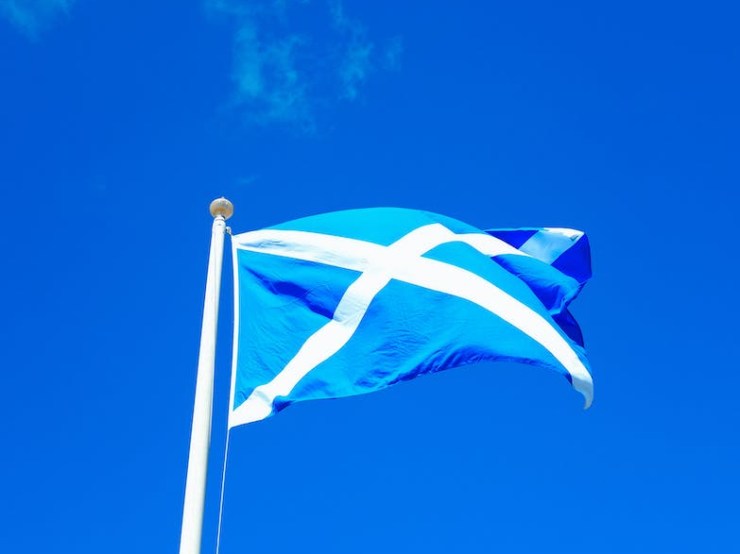
This lush and culturally diverse Caribbean island carries within its history various influences, including that of Scotland. Our Scottish connection dates back to 1656 when Oliver Cromwell banished 1200 Scottish prisoners-of-war to Jamaica, England’s recently acquired colony. Subsequently, the practice of banishing Scottish exiles to Jamaica continued, and several thousand more Scotsmen came to Jamaica as indentured and skilled labourers with the promise of land and other riches. Eventually, Scottish settlers became involved in the slave trade and used enslaved Africans as their labour force on the sugar plantations. As such, Scottish and Jamaican history are intricately intertwined, albeit ghastly in many ways. Today, I’ll share five tangible ways in which Scotland has shaped Jamaican society.
Before we get into the article, please subscribe for new adventures.
Also, check out my book and GetYourGuide storefront for more travel ideas.

1. Many Jamaicans Have Scottish Surnames.
As a legacy of Scottish migration to Jamaica, many Jamaicans still have Scottish last names to this day. It has been said that up to 60% of names in the Jamaican telephone directory are Scottish in origin. Campbell is the most common surname in Jamaica and there are more Campbells per square acre in Jamaica than in Scotland! Other popular Scottish surnames in Jamaica include: Adair, Aikens, Aikman, Anderson, Archibald, Brown, Cameron, Dallas, Dewar, Douglas, Fraser, Gibson, Grant, Kemp, Kerr, Livingston and Wilson.
Some famous Jamaicans with Scottish surnames include: Paul Bogle and George William Gordon who are now National Heroes and led the Morant Bay Rebellion of 1865; Mary Seacole, a famous nurse during the Crimean War who was born Mary Grant; as well as two of Jamaica’s fastest women alive: Shelly-Ann Fraser-Pryce and Veronica Campbell-Brown.
2. Scottish Place Names in Jamaica
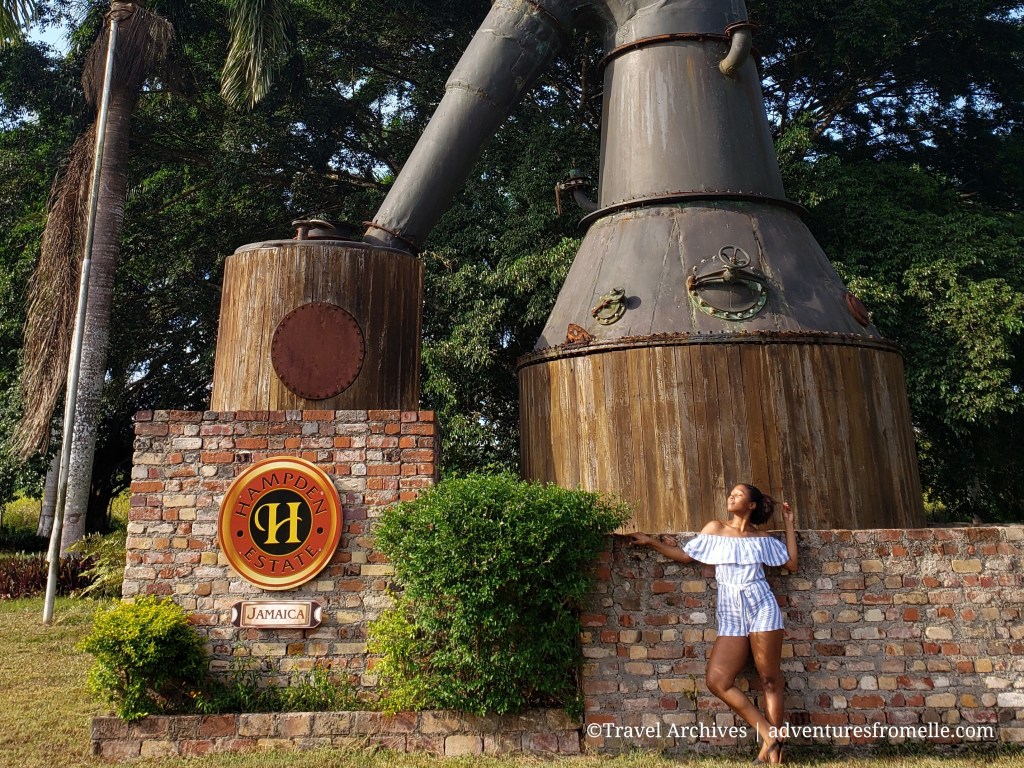
Some Jamaican towns and landmarks have Scottish names, indicating early Scottish settlement and influence. These include:
- Aberdeen in St. Elizabeth which lies on the edge of the Cockpit Country
- Culloden in Westmoreland
- Dundee in St. James which was originally owned by William Stehert, a Scotsman.
- Elgin Town in Hanover and St. Mary
- Glasgow in Manchester
- Hampden Estate in Trelawny, a rum distillery you can tour.
- Inverness in St. Ann
- Kilmarnoch in St. Elizabeth, which gets its name from Kilmarnock, a town in Scotland
- Monymusk Sugar Estate in Clarendon, which still operates as a rum distillery.
- Perth Town in Trelawny
3. Scots Brought Presbyterian Churches to Jamaica.
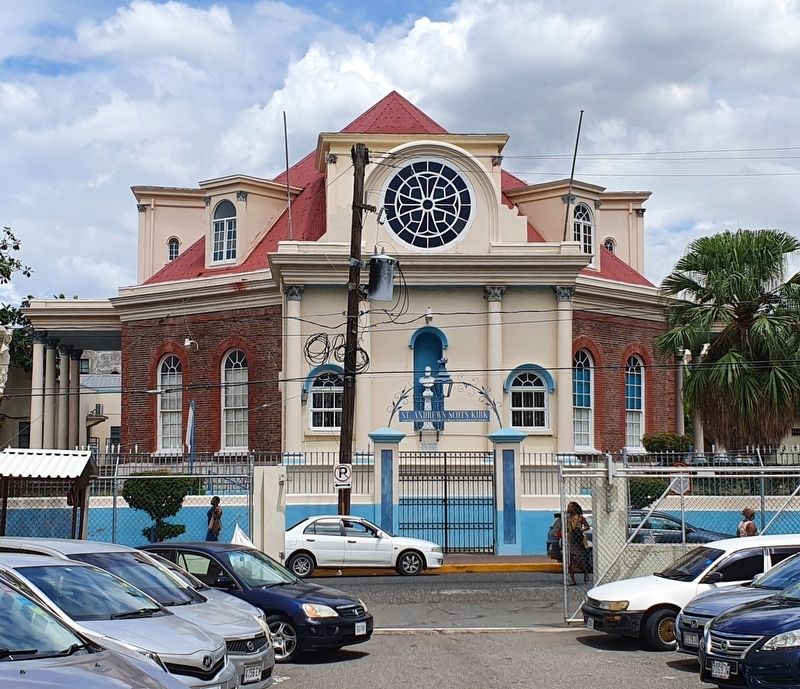
The Church of Scotland is Presbyterian in polity, shaped by John Knox in the Reformation of 1560 when it split from the Catholic Church. As such, when Scots came to Jamaica in the 17th century and beyond, they brought Presbyterianism to the island with them. Today, 65% of Jamaican Christians identify as Protestant and a few Presbyterian churches still exist such as the St. Andrew Scots Kirk Church in Downtown, Kingston shown above. Presbyterian missionary work began in Jamaica in 1824 at Hampden in Trelawny. In 1965, the Presbyterian Church merged with the Congregationalists to form the United Church of Jamaica and Grand Cayman, and they have several branches islandwide.
4. Jamaica’s Flag Was Inspired By The Flag Of Scotland.

The only national flag apart from that of Scotland which includes the saltire (diagonal cross) is the flag of Jamaica. As Jamaica’s independence from Britain in 1962 approached, an initial design for the flag with three vertical stripes in green, black and gold was deemed unsatisfactory. A Presbyterian minister, Reverend William McGhie, suggested that the national flag should reflect Jamaica’s status as a Christian country and have a cross in it. He drew out the Scottish flag, substituting the blue and white of Scotland with the black, green and gold of Jamaica. His design was accepted and now the Jamaican flag is the only flag in the world without the colours red, blue and white.
5. Jamaica’s National Dress Comes From Scotland’s Tartan.
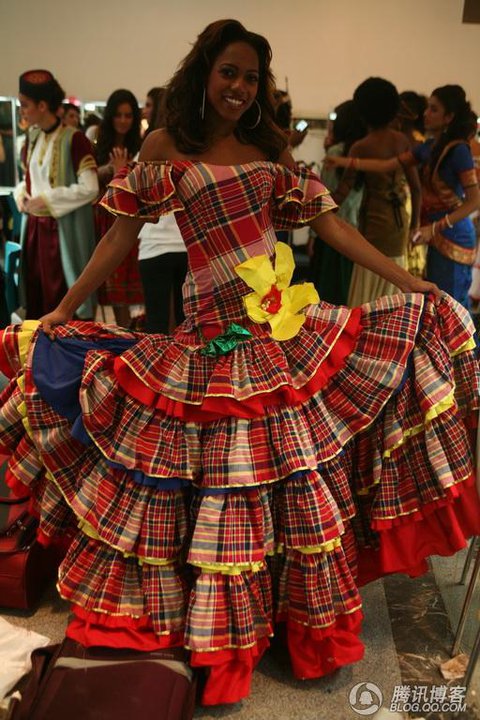
Jamaica’s National Dress is also known as the bandana costume (pictured above) and consists of a mixture of African kente and Scottish tartan. Our costume has vibrant reds and yellows with a plaid-like design, and makes special appearance during cultural festivals such as those held during the Emancipendence season (August 1 – 6, spanning Emancipation Day and Independence Day).
Wrap Up
Did you realize how strong Jamaica’s connection to Scotland was? I definitely learnt a lot myself while researching for this article. Comment which ethnic group in Jamaica I should cover next. We have lots more such as the Irish, Tainos (Amerindians), Chinese, East Indians, Lebanese, Syrians and of course, the British and Africans.
If you enjoyed this article, you will also like:
- Forgotten Footprints: Welsh Legacy in Jamaica
- The Untold Story of Germans in Jamaica
- Christmas celebrations in Jamaica
Find Elle on Facebook, Instagram & lend your support to keep me on the road.

 Adventures from Elle
Wow I never realised the Jamaican flag is the only one without red white or blue, that’s crazy 😄
LikeLiked by 1 person
Hahaha I think it’s crazy too. We once had company but the other country (forgot which but it’s an African country) changed their flag about a decade ago so now it’s just us without red, white or blue lol.
LikeLiked by 1 person
Very interesting piece of history! Thanks for the share!
LikeLiked by 1 person
You’re most welcome! Thanks for reading 🙂
LikeLiked by 1 person
I found this extremely interesting as my own research has revealed the name Stephens is of Scottish origin and when I did my DNA checks it turns out that I have Scottish and African roots. As usual your blog is such an enlightening expose on the beauty of Jamaica as well as our origins and why “out of many one people” is so true of Jamaicans.
LikeLiked by 1 person
Thank you, and that’s wonderful! It’s so important to know our roots. Being able to trace our families and bloodline is something which slavery robbed so many of us of in the Caribbean. I too have Scottish origin on my mother’s side (surname: Grant) and I plan to do a DNA check one day as well. We’re truly “out of many, one people.” 🙂
LikeLike
Before doing your DNA test, check which programme your family members have used so the connections to them will be easier to track. If you wish advise call me anytime!!
LikeLiked by 1 person
another fascinating insight to Jamaica Ro. Thanks for sharing!
LikeLiked by 1 person
No problem! Thanks for reading, Andy 🙂
LikeLike
It was cool to learn about the Scottish influence in Jamaica! Jamaica is certainly a melting pot of cultures and I’m curious to see what other influences there are in the country!
LikeLiked by 1 person
Thank you! We certainly are 🙂 I’ll keep this series going as I’ve been learning a lot too. Thanks for reading!
LikeLiked by 1 person
This is a really fascinating aspect of Jamaican history and culture as much of it is not very common knowledge, at least to me. Thanks for sharing this, I love learning about other countries.
LikeLiked by 1 person
Yippee, me too. Thank you so much, and thanks for reading!
LikeLiked by 1 person
My pleasure!
LikeLiked by 1 person
Wow, Elle, this is interesting. I had no idea about the ties with Scotland. I always thought it was England. Thank you for teaching me something new!
LikeLiked by 1 person
Well, we were actually ruled by England from 1655-1962 but Scotland, Wales and Ireland definitely had significant influence here too in varying degrees. 🙂 thanks for reading!
LikeLike
Never noticed the similarities between our flag and that of Scotland. Now I’m curious to go see what their colors represent 🙂.
LikeLiked by 1 person
It’s really interesting, isn’t it? A quick search said:
“White on the Scotland flag represents honesty and peace while blue is a symbol of perseverance, loyalty, truth, justice, and vigilance.”
LikeLiked by 1 person
Cool, thanks!
LikeLiked by 1 person
Great read, oh the similarities. We have an annual Celtic festival held in May with bands and pipers from Scotland, Ireland and Nova Scotia. I myself have some Scottish and Irish DNA from both parents.
LikeLiked by 1 person
That’s lovely! I have some Scottish DNA too from greatgreatgrandparents on my mother’s side (surname: Grant). They came to Jamaica in the 1800s during the indentureship period. 🙂 we’re truly a melting pot of cultures here in the Caribbean. Thanks for reading and I’m happy you enjoyed.
LikeLiked by 1 person
Thank you, and thanks for reading!
LikeLiked by 1 person
My pleasure Rochelle
LikeLiked by 1 person