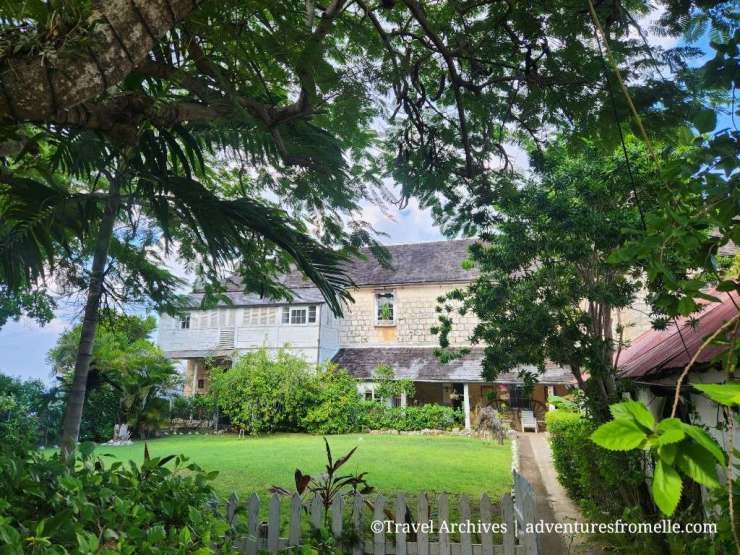
Shafston Great House, Westmoreland

Great houses are remnants of colonialism in Jamaica, built between the early 1700s to the mid-1800s. A great house was the seat of authority on the plantation, home to its owner or representative. Generally speaking, greathouses had two floors typically made of brick or cut stone, but the second floor was sometimes constructed of wood. At slavery’s peak, there were about 700 of these homes across Jamaica but fewer than 100 remain today due to a combination of fires from slave revolts and eventual neglect or demolition by its owners. Exploring great houses may be seen as morbid given the ghastly history of enslavement they represent, but I enjoy visiting for the architecture. They also serve as a reminder to celebrate how far my people have come. With that said, here’s how I ended up at the Shafston Great House in Westmoreland.

Continue reading “Shafston Great House, Westmoreland”

Timeless Beauty: Georgian Architecture in Jamaica

Georgian architecture is a style that originated in the early 18th century in Britain during the reigns of the first four King Georges (1714-1830). This architectural style has left an indelible mark on the world with its timeless elegance, balanced proportions and classical design elements. Our colonial ties to Britain led to the emergence of Jamaican Georgian architecture during the late 1700s-1800s, with its emphasis on light and air, and modified to suit the tropical climate of the Caribbean. Despite the negative history attached to Jamaican colonial buildings, I still admire the timeless beauty of our surviving Georgian buildings. With that said, today I’ll share more about Jamaican Georgian architecture as well as nine surviving Georgian buildings across Jamaica worth visiting.

Continue reading “Timeless Beauty: Georgian Architecture in Jamaica”

Explore the Grandeur of Greenwood Great House

Perched on a hill high above Jamaica’s northwestern coast and overlooking the Caribbean Sea is the Greenwood Great House. Built by the wealthy Barrett family of UK’s Wimpole Street between 1780 and 1800, Greenwood was originally intended as a guest house. The Barretts amassed their wealth from the heinous trade of sugar and slaves, and traces of that brutality are still visible within Greenwood’s walls today. The Great House also offers a glimpse into the opulent lifestyle of the island’s elite during the 18th and 19th centuries, and houses an extensive collection of antiques as well as the island’s largest collection of rare musical instruments and plantation library books. I recently took this tour courtesy of Get Your Guide, so today, allow me to take you on a journey through time as we explore the mansion and discover the stories hidden within its well-preserved walls.

Continue reading “Explore the Grandeur of Greenwood Great House”
Colbeck Castle

Colbeck Castle: A St. Catherine History Gem

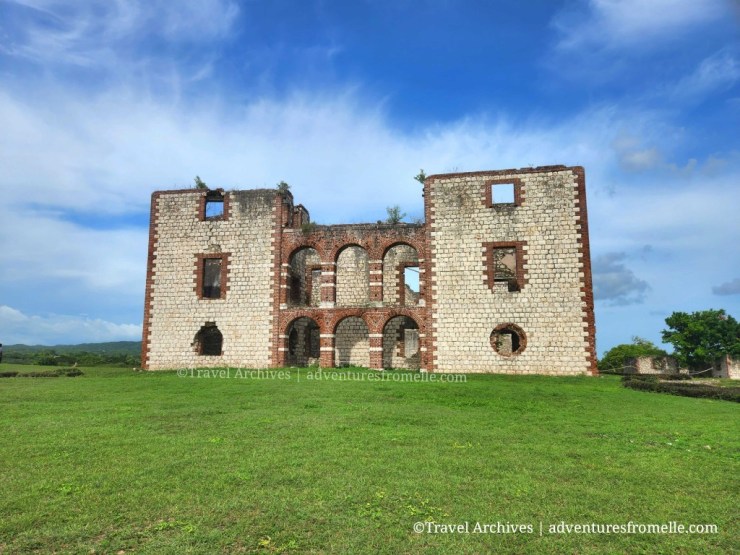
Colbeck Castle is a huge mansion located near to Old Harbour in St. Catherine, Jamaica. Details about the mansion are sparse, but it is believed to have been built in about 1680 by Colonel Jon Colbeck. Colbeck came to Jamaica at 25 years old in 1655 with the invading British army that took control of Jamaica from the Spaniards. The Crown granted Colbeck 1340 acres of land as reward, which he used to build his castle. At one point, Colbeck Castle even had a moat and was the largest building in Jamaica. The estate once produced sugar and tobacco. Colbeck went on to have a distinguished career as a member of the Jamaica Assembly, but is believed to have lived a solitary life. He died at age 52 years, leaving his fortune to his executors and the church. Over time, the building fell into ruin and became property of the Jamaican government. The castle became a national heritage site in 1990, and can be visited by tourists today for free.

Continue reading “Colbeck Castle: A St. Catherine History Gem”

Here’s Why You Should Visit Jamaica’s Seville Heritage Park

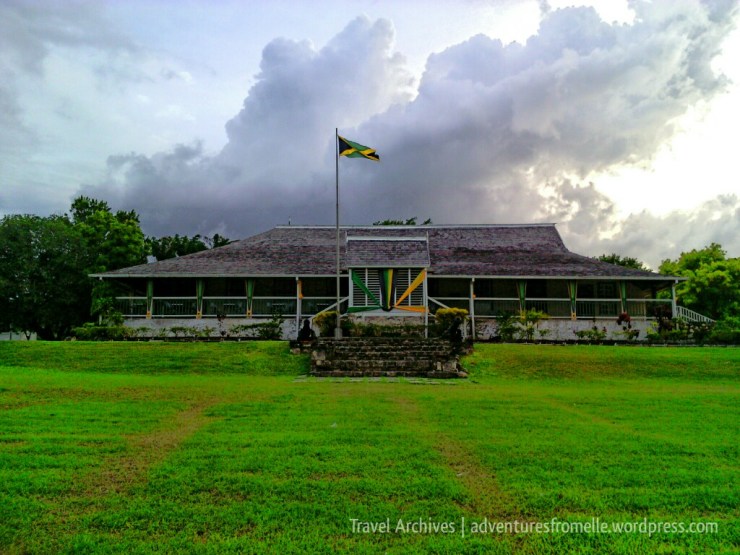
Seville Heritage Park in Saint Ann’s Bay marks one of the first encounters between Old and New World. Unless you’re Jamaican or took Caribbean history classes, you’re likely hearing for the first time that English-speaking Jamaica was first colonized by the Spanish hence the town Sevilla la Nueva was named for Seville, Spain. Christopher Columbus first set foot in Jamaica in 1494 making the already well-known inhabited island first known to Europe. In 1503-4 he lived at the well-developed Taino town of Maima for over a year with his men after getting shipwrecked. However, it wasn’t until 1509 that Sevilla la Nueva was established becoming the first permanent European settlement in Jamaica and changing Jamaican, European and World History forever. Today, let’s talk about the history of the Seville Great House & Heritage Park, as well as why you should visit.

Continue reading “Here’s Why You Should Visit Jamaica’s Seville Heritage Park”