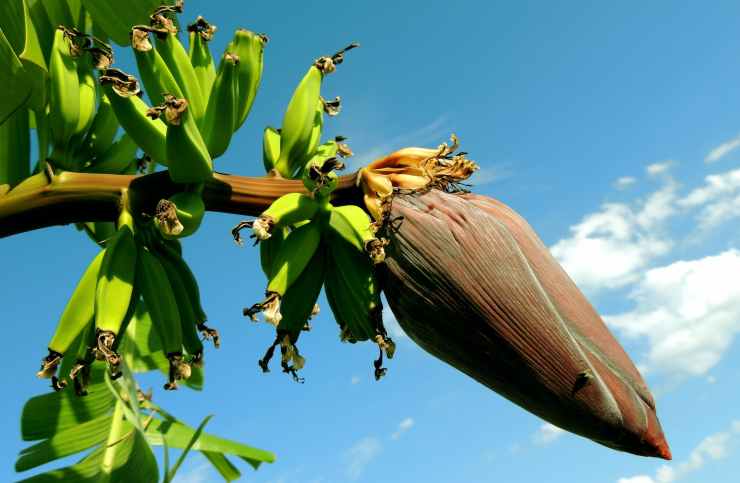
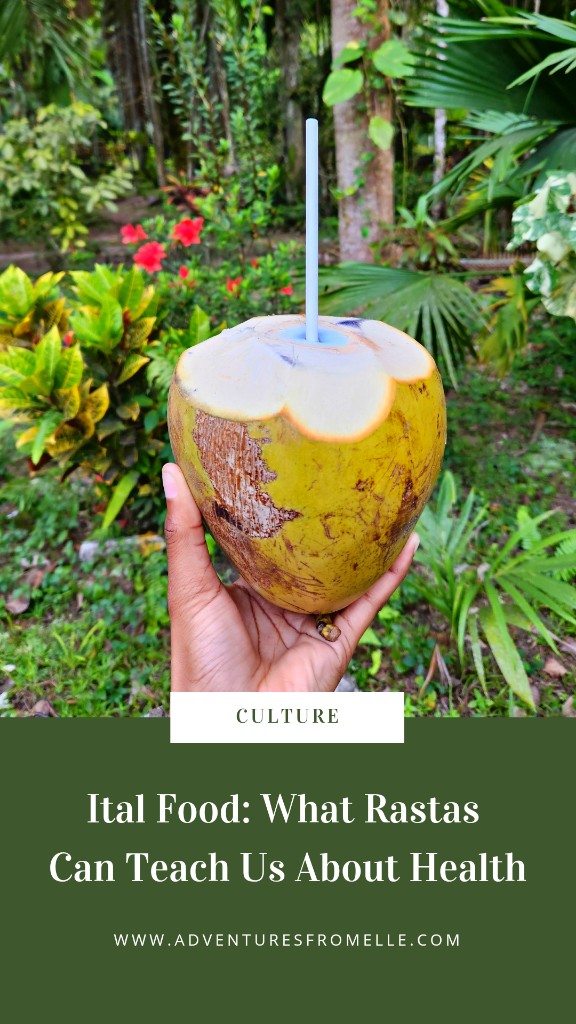
Ital food, often associated with Rastafarian culture, is a dietary practice that emphasizes natural, plant-based foods in their purest form. Derived from the word “vital,” ital food not only nourishes the physical body but also carries spiritual and ethical significance. With roots in Africa and Jamaica, ital food has gained recognition worldwide for its health benefits and sustainable approach. In this article, we will delve into the essence of ital food, exploring its origins, principles, nutritional value, and the broader impact it has on individuals and communities.
Before we get started, please subscribe for new articles!
Also, check out my book and GetYourGuide storefront for more travel ideas.

Principles of Ital Food
Ital food has its origins in Rastafari, a spiritual and cultural movement that emerged in Jamaica during the early 20th century. Rastafarians view food as a vital component in maintaining a balanced and harmonious life. Drawing inspiration from African traditions and a deep respect for nature, ital food emphasizes consuming unprocessed, organic, and locally sourced plant-based ingredients.
The principles of ital food encompass three key tenets:
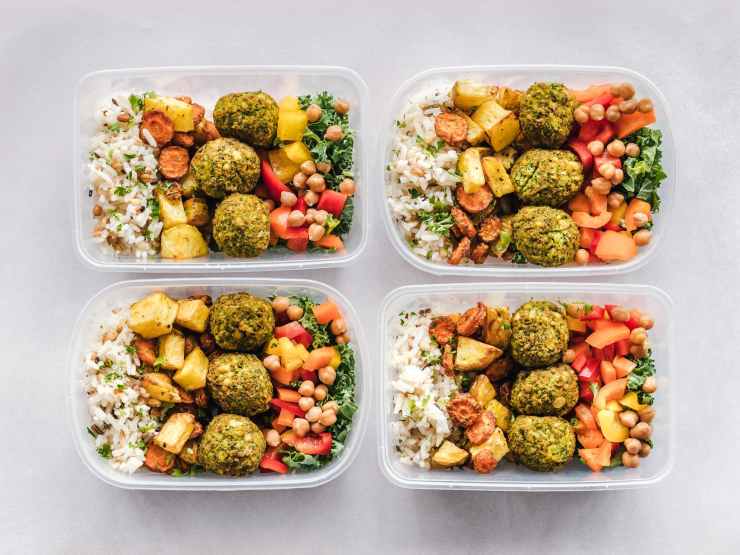
- It promotes the consumption of whole foods, including fruits, vegetables, grains, legumes, and nuts. These foods are believed to retain their natural life force, providing optimal nourishment for the body. Thus, many Rastafarians are pescatarian, vegan or even raw food enthusiasts!
- Ital food discourages the use of additives, preservatives, and artificial substances, as they are considered harmful and disrupt the body’s natural balance. This isn’t much different from the D.A.S.H. (Dietary Approaches to Stop Hypertension) diet promoted to prevent or treat hypertension.
- Ital food advocates for mindful and sustainable eating practices, such as consuming food in its season, reducing waste, and promoting community farming. Doesn’t this sound like another familiar sustainable trend?
These tenets explain why Rastas will proudly tell you that before vegan, plant-based, organic, seasonal or any other trendy diet began, there was ITAL.
Nutritional Value of Ital Food
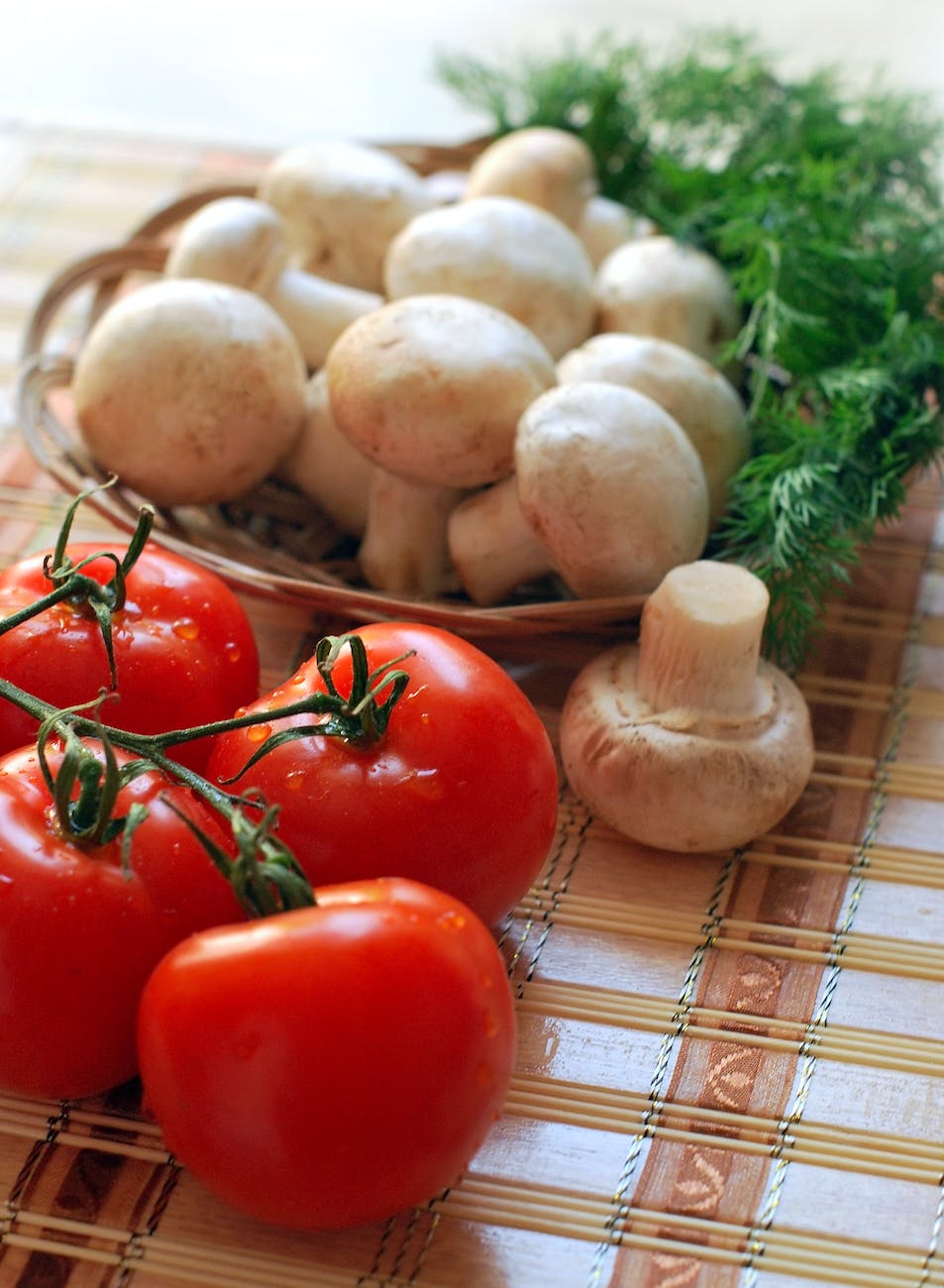
Ital food offers a plethora of nutritional benefits, serving as a powerful source of vitamins, minerals, fibre, and antioxidants. The emphasis on plant-based ingredients ensures an abundance of essential nutrients while minimizing the intake of unhealthy fats and cholesterol. Fruits and vegetables, such as papaya, mango, callaloo, and okra, are rich in vitamins A, C, and E which boost the immune system, support healthy skin, and enhance overall well-being.
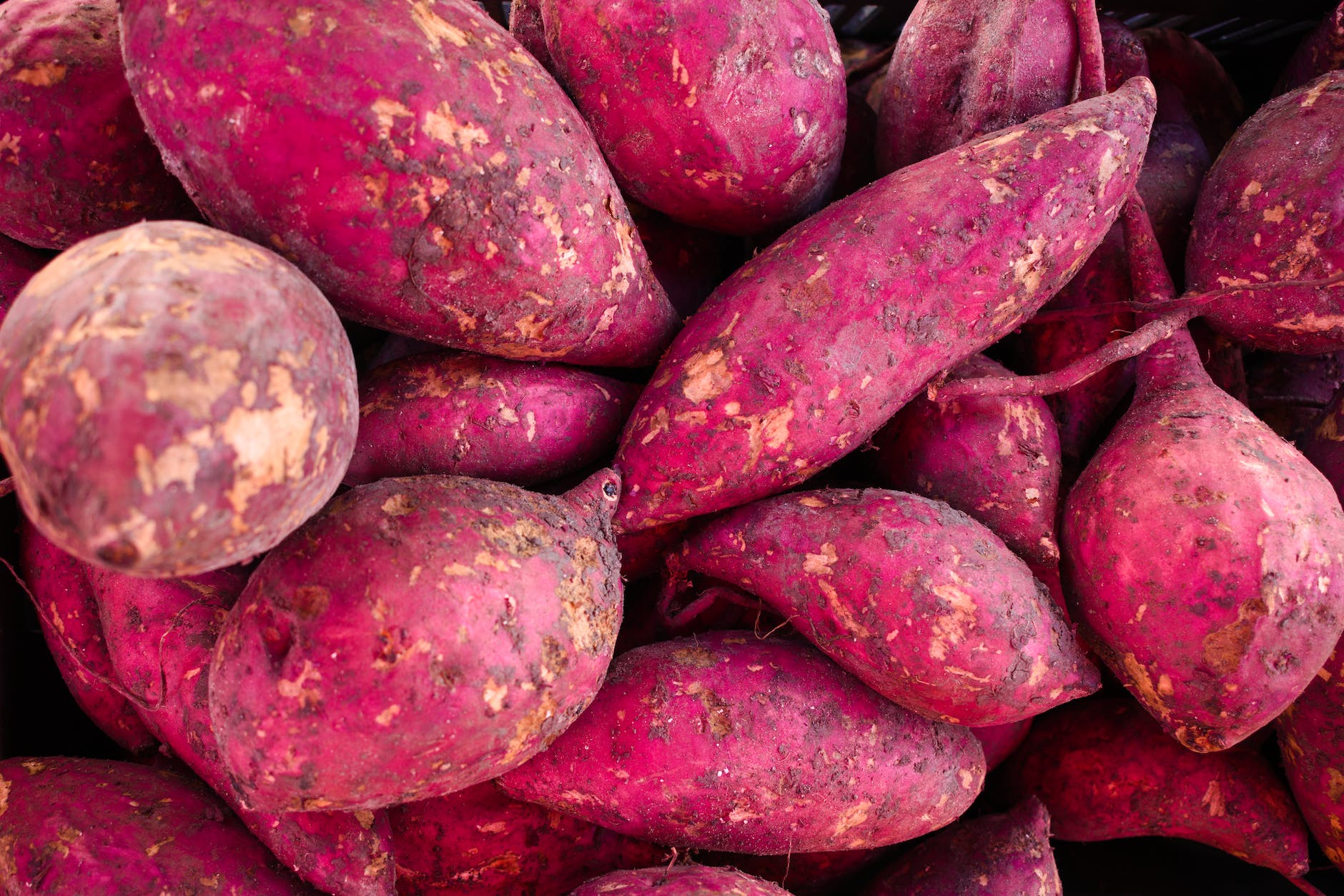
Whole grains like quinoa and brown rice, as well as starchy roots and tubers such as sweet potato and yam, provide complex carbohydrates, dietary fiber and essential minerals. Complex carbohydrates offer sustained energy release, aiding in digestion and promoting heart health. Legumes, such as lentils, chickpeas, and kidney beans, are excellent sources of plant-based protein, iron, and folate, contributing to muscle development and supporting red blood cell production.
Ital food’s focus on natural ingredients and minimal processing ensures the preservation of valuable enzymes and phytochemicals, which are essential for optimal health. For instance, turmeric, ginger, and garlic, commonly used in ital cooking, possess anti-inflammatory properties and provide digestive benefits. Additionally, coconut oil and avocado offer healthy fats that support brain function, reduce inflammation, and promote cardiovascular health.
Impact on Individuals and Communities

The adoption of ital food extends beyond individual health benefits, permeating communities and fostering a sense of unity. By embracing a plant-based lifestyle, individuals reduce their ecological footprint, as plant-based diets require fewer resources and emit fewer greenhouse gases compared to animal-based diets. This aligns with Rastafari principles of sustainability and environmental consciousness, allowing individuals to contribute to a greener and more equitable future.
Moreover, ital food carries cultural significance, acting as a symbol of resistance and empowerment within the Rastafarian movement. By embracing ital food, individuals celebrate their African heritage, reject oppressive systems, and embrace a lifestyle rooted in self-sufficiency, simplicity, and respect for all life forms. This cultural expression has transcended borders, inspiring people from diverse backgrounds to explore plant-based eating and incorporate elements of ital food into their culinary traditions.

The emphasis on community farming and locally sourced ingredients not only supports local economies but also fosters a stronger connection between individuals and the land they inhabit. By encouraging sustainable agriculture practices and reducing dependence on imported goods, ital food cultivates resilience and promotes food security, empowering individuals to take control of their nutritional needs.
Furthermore, ital food serves as a medium for social gatherings and cultural celebrations. The preparation and sharing of meals bring people together, facilitating the exchange of knowledge, traditions, and stories. This sense of community nourishment extends beyond physical sustenance, providing emotional and spiritual nourishment as well. In this way, ital food becomes a catalyst for cultural preservation, intergenerational bonding, and the transmission of wisdom from one generation to the next.
Wrap Up


As you can see, ital food represents more than just a diet. Ital is a lifestyle grounded in spirituality, sustainability, cultural identity and community well-being. We all can learn something from Rastas when it comes to ital eating and lifestyle. My only caution to anyone starting on an ital food journey is to be mindful of obtaining key nutrients in sufficient quantities, most notably protein and vitamin B12 which can be difficult to get from a strict plant-based diet. Supplementing these nutrients may become necessary over time. Otherwise, I’m happy the world is finally embracing Rastafarians and their ital lifestyle. I’m not Rastafarian but I try to eat ital as much as I can because these are sound principles with tremendous benefits. Did you learn anything new today? Sound off in the comments below.
If you enjoyed this post, you may also like:
- Jamaican Food Festivals to Check Out
- Top Vegan Restaurants in Kingston
- Where to Get Live Reggae Music
- Public Transportation in Kingston
Don’t forget to subscribe.
‘Til next time.
Find Elle on Facebook, Instagram & lend your support to keep me on the road.

 Adventures from Elle
Ital is healthy and delicious, especially when infused with Jamaican herbs and spices.
LikeLiked by 1 person
Agreed! Thanks for reading
LikeLike
[…] Ital Food: What Rastas Can Teach Us About Health […]
LikeLike
thanks for sharing Ro! I hadn’t heard the term ‘ital food’ before. it’s fair to say its a lot different to my diet!
LikeLiked by 1 person
It’s definitely an interesting way of life. I’m not a strict adherent to it but I try to incorporate some of its principles into my life for the health and environmental benefits. Thanks for reading Andy 🙂
LikeLike
[…] Ital Food: What Rastas Can Teach Us About Health […]
LikeLike