The best way to experience Jamaica is by car at your own pace. Jamaica has a wide variety of landscapes ranging from reef-lined beaches, hot dusty plains, cool rugged mountains and sweeping river valleys. This landscape diversity makes the island perfect for road trips. Jamaica has over 17,000 kilometers of road networks which connect all major towns and cities. There is always something to see out the window such as colorful urban murals, street markets, omnipresent mountains and remnants of the island’s rich colonial past such as centuries-old churches, aqueducts and courthouses. You may even pass waterfalls flowing right next to the road. Self-driving in Jamaica gives you the independence to stop as you please and absorb everything.
However, driving in a foreign country can be intimidating, and Jamaica is no different. Jamaicans drive on the ‘other’ side of the road and the infamous Crazy Jamaican Drivers (CJDs) are in fact, real. Nonetheless, driving in Jamaica as a foreigner is safe and doable. Thousands have done it before, and so can you. Here are eight tips to ensure that your Jamaican road trip goes smoothly– as told by a local.
Before we get started, subscribe for new articles every week! It’s free!
Also, check out my book and GetYourGuide storefront for travel ideas.

1. Confirm Your Eligibility To Rent A Car
Renting a car in Jamaica is easy because Jamaica recognizes valid international drivers’ licenses. You can drive with your license from home for up to one year before needing to apply for a Jamaican drivers’ license. The minimum age to drive in Jamaica is 18 years old, but the minimum age to rent a car is 21. You will need to have had your license for at least 2 years before being able to rent a car. Additional fees may apply for renters under 30 or older than 65.
2. Get A Trustworthy Rental Car
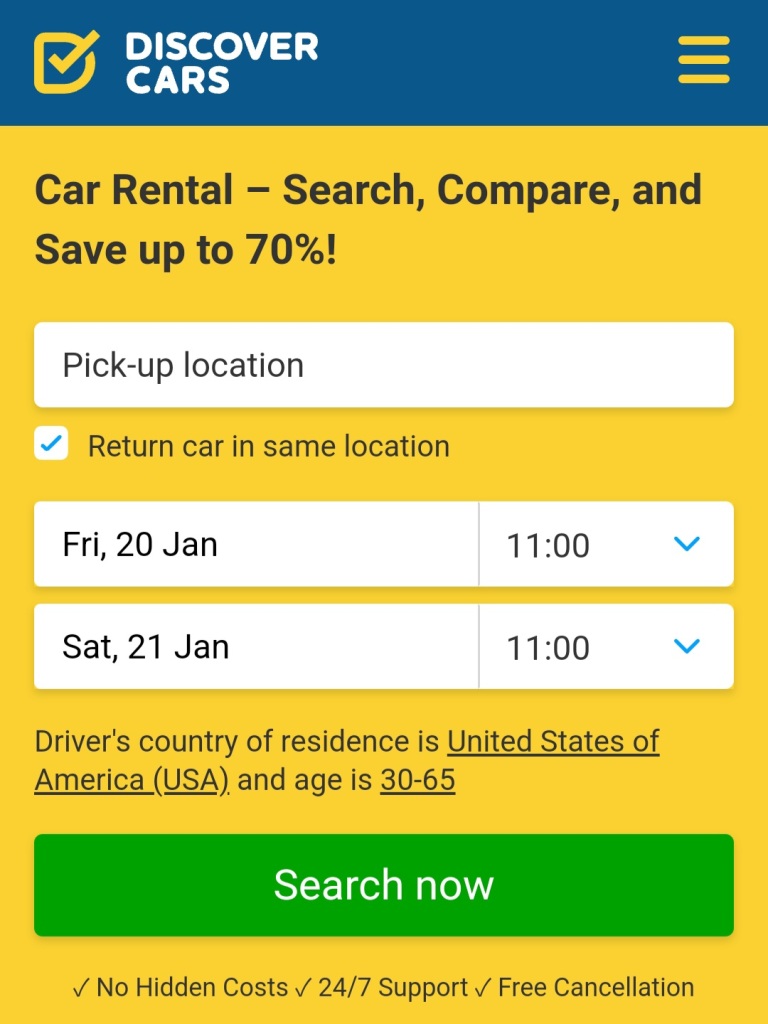
Book your rental car via reputable platforms such as Discover Cars. Discover Cars makes the vehicle rental experience seamless by searching through dozens of local car rental companies to match you with an ideal vehicle. A credit card is required by most companies, but a minority may accept debit cards. You can collect your rental car at all three international airports, and from most towns and cities. Also, most companies allow you to return your car in a different city from which you collected it.
Choose a vehicle that will suit your needs. A small compact car is affordable and fuel-efficient. These start at US$70 per day. However, a 4×4 may be required for deep rural expeditions. Currently, gasoline costs about $1.35 per liter. Charging stations for EVs are available islandwide, but EVs haven’t really become commonplace in Jamaica yet. Most rental vehicles are automatic transmission and use gasoline for fuel.
3. Always Have These Documents
These documents include drivers’ license, insurance papers, vehicle registration and a car fitness certificate. The latter three documents will be given to you by your car rental company. Ensure these documents are up-to-date when you collect your rental vehicle in case you’re stopped by the Jamaican police at a spot-check. Your passport isn’t mandatory but it can’t hurt to take it along. Note: Soft copies of motor vehicle insurance, registration and fitness particulars are now acceptable for police inspection in 2026.
4. Drive Safely
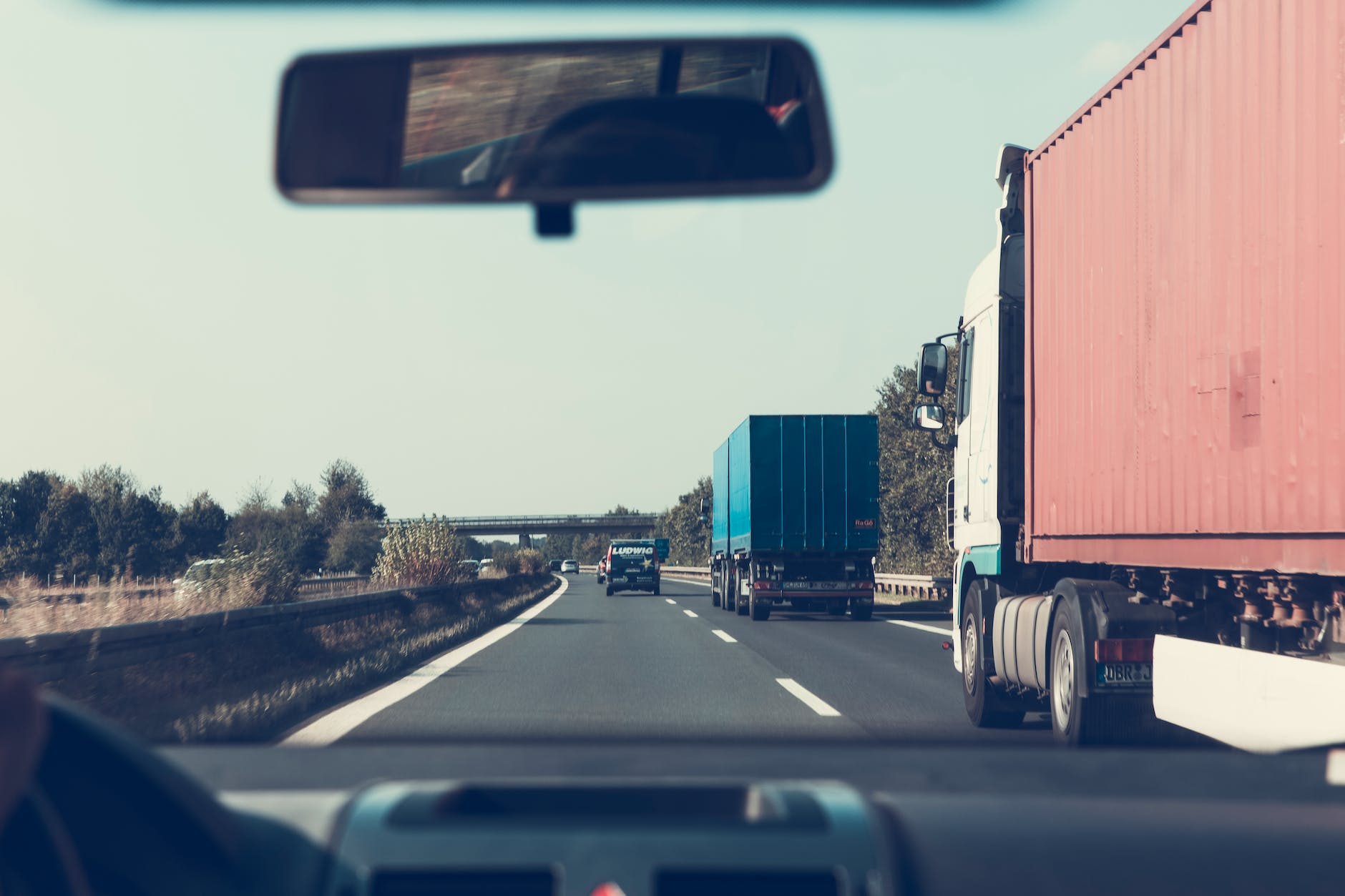
Driving in Jamaica can be tricky. Jamaicans drive on the left side of the road. In the city, streets are wide and busy, but the mountainous country roads are often less trafficked, winding, narrow and bumpy. Sound your horn when going around bends on country roads in Jamaica. This lets other motorists know that you are coming because sometimes the road gets too narrow or pothole-riddled for two vehicles to pass. Speaking of potholes– these become omnipresent as you enter smaller towns and villages. Always obey the speed limit, especially on unfamiliar roads, so that you can maneuver around these potholes safely. You’d hate to drop in a large one and pick up a flat, or worse.
Also, be mindful of animal and railway crossings. It’s not unusual to see cattle and stray animals crossing the road, even in the middle of the city. Roads in some parts of Jamaica can be temporarily closed for a few minutes to allow passage of trains carrying bauxite, caustic soda and other materials.
Pro Tip: Book travel insurance before your trip.
5. Know This About Toll Roads
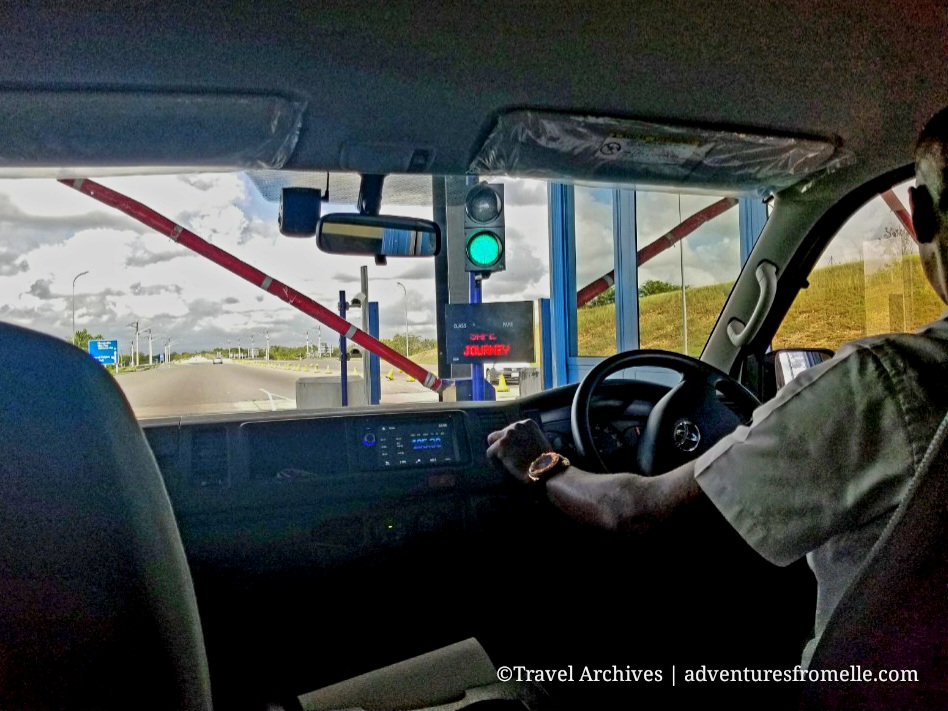
Highways which charge toll are the best maintained roads in Jamaica. Toll roads can be expensive but will get you to your destination more quickly than the alternative roads. However, the only toll booth in Jamaica which accepts debit or credit card is the North-South Highway from Caymanas to Mammee Bay (St. Ann), route A1. All other toll booths in Jamaica are cash only, therefore, stop at an ATM or Cambio before starting your road trip.
Toll prices vary depending on the location, where you enter or exit the highway, as well as the size of your vehicle. Small cars (class one) pay the least, SUVs and vans (class two) pay more while trucks and trailers (class three) pay the most. The most expensive toll road in Jamaica is the A1 route, which connects capital city Kingston to the resort towns of Ocho Rios and Runaway Bay. As of 2026, this costs JMD$2,400, $4,700 and $7,450 across classes one to three respectively.
6. Speed Limits
Jamaica’s speed limit is 50 kph (30mph) in built-up areas. The maximum speed on highways is 110 kph (70mph). You’ll see a sign posted along the left side of the road every time there’s a speed limit change.
7. Obey The Laws
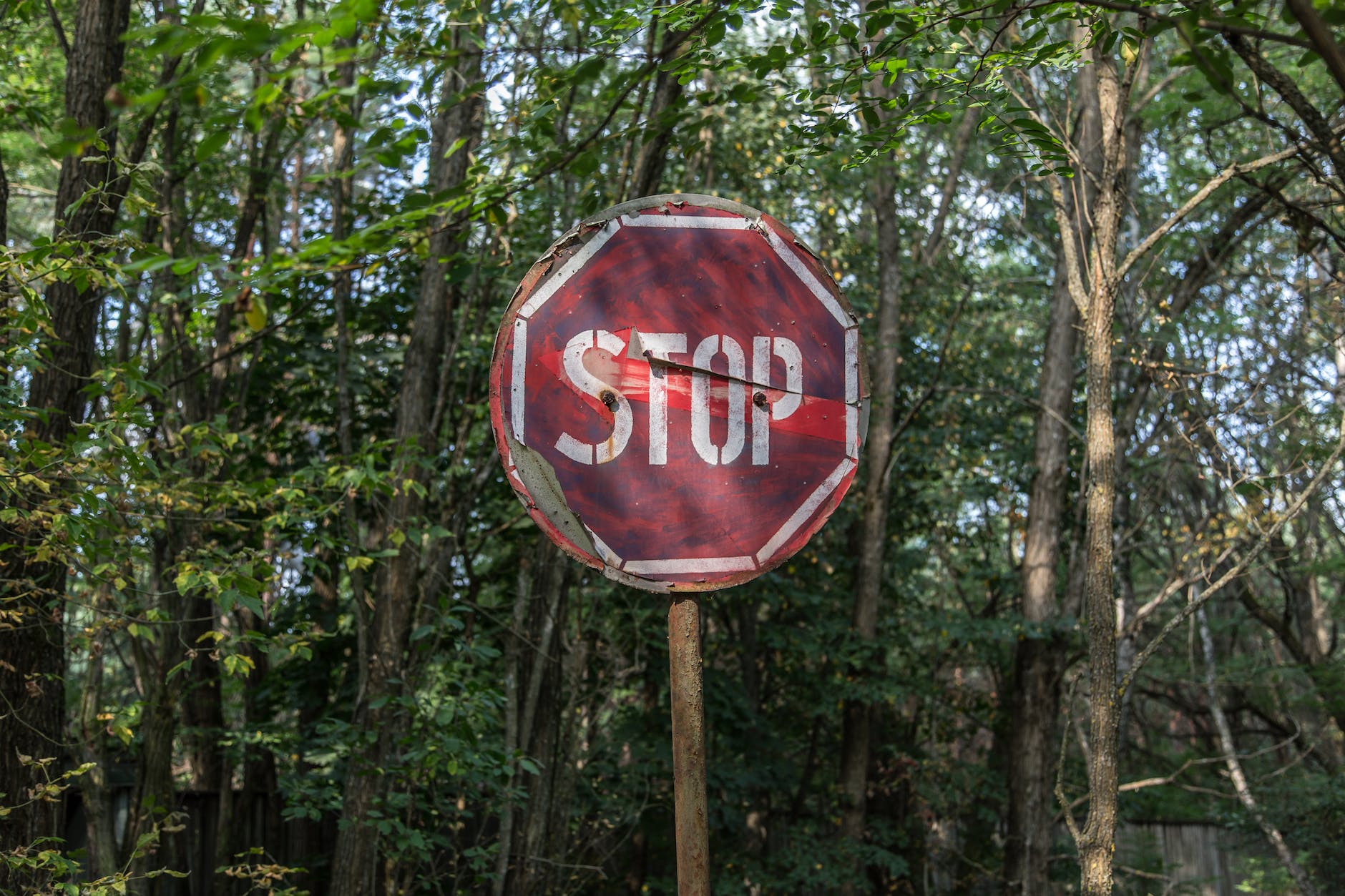
Driving laws in Jamaica are similar to driving laws in any other country. However local drivers don’t always follow them. For example, drivers may not use indicators or may run red lights if they think they can get away with it. The police can stop you at any time and give you a ticket if you are found in breach of a road code.
The Jamaican Road Traffic Act is lengthy but detailed, and can be found online. Refer to it as needed, but the most important laws to know are:
- Road signs and speed limits must be obeyed.
- Keep to the left of the road at all times, unless you are about to overtake or turn right.
- Don’t drink alcohol (or smoke marijuana) then drive.
- Seatbelts are mandatory for the driver and all passengers. In case of a police stop, the driver will be held responsible for passengers found without a seatbelt.
- Traffic police officers’ instructions supersede the stop light.
- Children under 12 should sit at the back, and small children must be safely restrained in an appropriate car seat.
- Let through emergency vehicles by pulling over to the left of the road, and remaining stationary until they pass.
Is GPS in Jamaica Reliable?
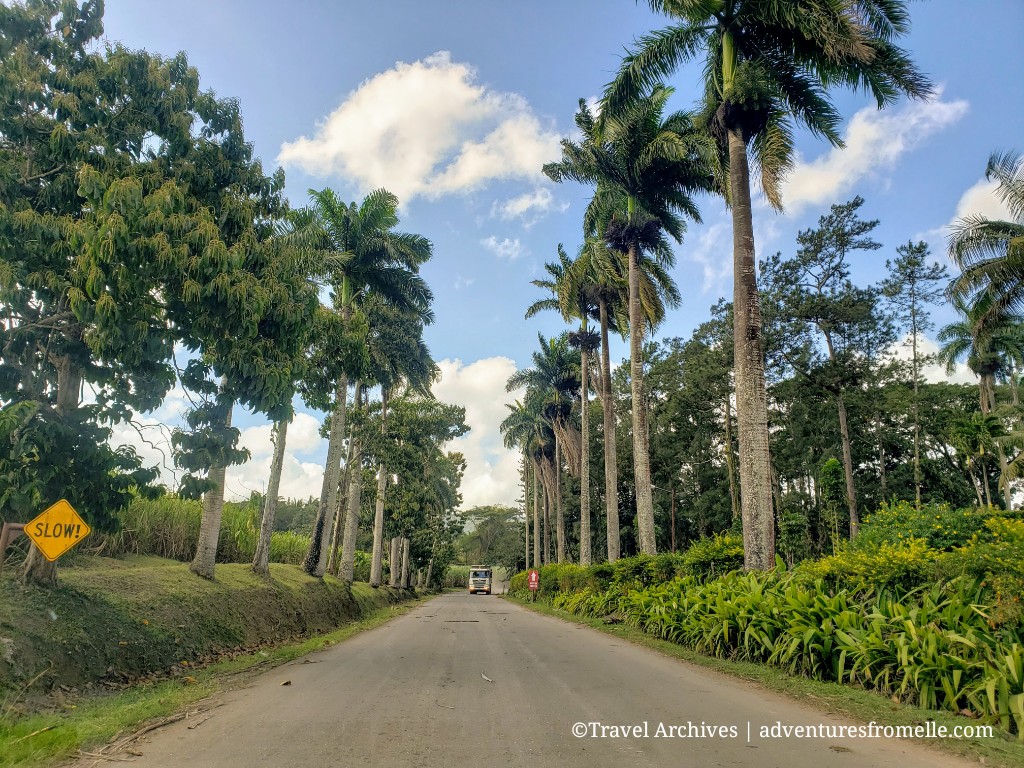
Do not depend heavily on GPS in Jamaica. Google Maps gets less reliable out of town as several map markers are entered incorrectly. It’s also not unusual for Google Maps in Jamaica to lead people onto dirt tracks instead of the well-utilized roads. Still use GPS as a guide, but if you get lost and need directions, stop and ask persons along the way for directions. Jamaicans are very friendly and always happy to help. They may even introduce you to some of their hidden gems which you never would’ve found otherwise. However, bear in mind that the phrases “it’s just down the road” or “you soon reach” are all relative on island time. You may have half an hour left. This spontaneity adds to the charm of a Jamaican road trip. NOTE: Waze is generally more reliable in Jamaica for navigation than Google Maps.
Wrap Up
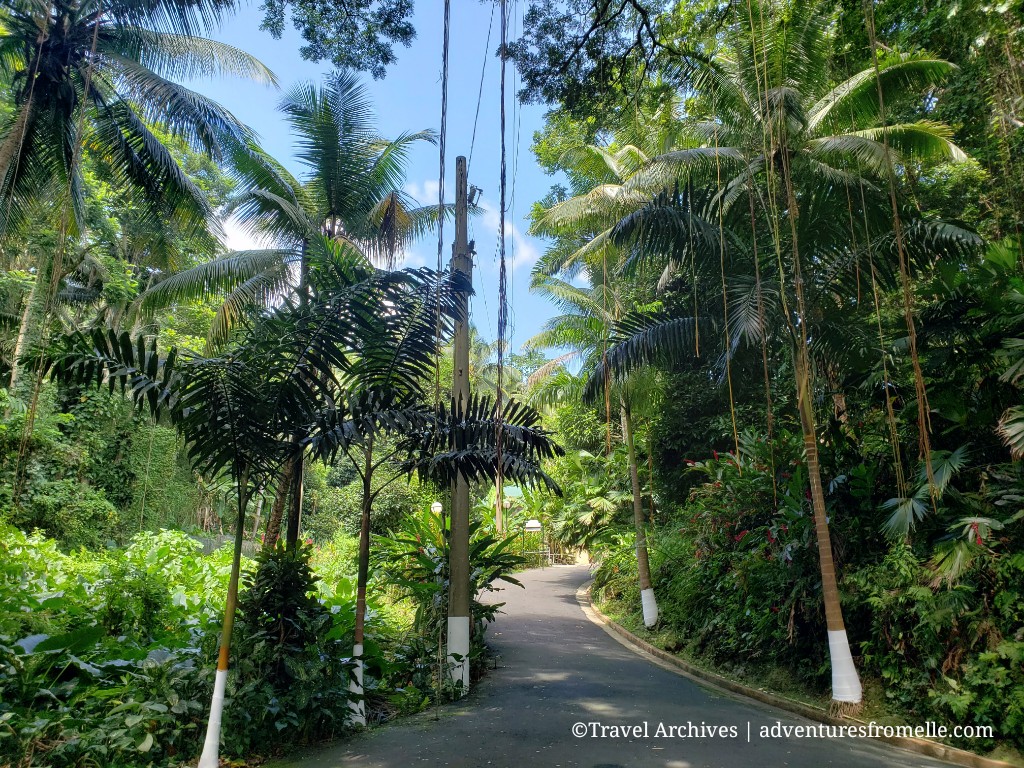
I hope you’ve found my Jamaican driving guide useful! Do you have any questions or other advice to share? Leave a comment below! Enjoy your Jamaican road trip and check out the following itineraries for a GREAT Jamaican road trip with Discover Cars.
- South Coast Jamaica via T1, A2. Visit the quaint laidback community of Treasure Beach, jump into or zipline above YS Falls, visit Pelican Bar and check out the Black River community and crocodile safari. Make sure to purchase the red-hot pepper shrimps when driving through Middle Quarters, and stop for a coconut jelly and photograph in Holland Bamboo.
- Kingston to Ocho Rios via Highway 2000, A1. The road itself is beautiful with delightful mountains and finally coastal views. Visit Mystic Mountain, Dunn’s River Falls and White River. Dine at Miss T’s Kitchen.
- Kingston to Buff Bay via B1. This road will take you through the Blue Mountains, my favorite place in Jamaica. It is home to world renowned Blue Mountain coffee, and you can take a coffee farm tour. Also, check out roadside waterfalls such as this one, and check out Holywell Park. Dine at Holywell’s newest addition: the Blue Brews Cafe.
Find Elle on Facebook, Instagram & lend your support to keep me on the road.

 Adventures from Elle
Para quien solo ha manejado carros con volante en la izquierda, y rutas donde debes ir siempre por la derecha ¿es muy difícil acostumbrarse a manejar de un día para otro? Pensamos recorrer la isla en 11 días alquilando un automóvil, pero tenemos dudas con este factor. Si hemos manejado, en perú, argentina, brasil, costa rica, méxico, eeuu, españa, grecia?
LikeLike
I’ve only ever driven on the left, never on the right- but from people I know who have driven on both sides, I’ve heard that it can be tricky for the first day or two. However, if you feel up to the challenge, go for it! Driving on your own gives you more independence and flexibility in your travel plans. Otherwise, you can get around with Uber and taxis. 🙂
LikeLike
Thinking of driving from Kingston to Negril. Would this be ok? Any recommended stops on the way?
Thank you!
LikeLiked by 1 person
Hi Jane, sure! I’ve done that drive myself a few times and it’s fine, once you’re not returning to Kingston on the same day. That would be tiring. Watch out for potholes once you get off the highway.
Stop in Holland Bamboo for great curry, a coconut jelly and some photos. 🙂 and, if you like crayfish, Middle Quarters sells great crayfish but super peppery. Safe travels!
LikeLike
hi Rochelle, Thank you for sharing! We are traveling next month and staying in Montego Bay. We were considering renting a vehicle but saw one of your earlier posts about driving in Montego Bay and now I’m reconsidering. We have driven in Cabo San Lucas and in El Salvador, which can also be challenging, and survived! Is it not safe in Montego Bay?
LikeLiked by 1 person
Hi Evelyn. If you’re driving mostly in the city you should be OK but be careful on the mountain roads as they can be very narrow and pothole riddled and dangerous. I think you should be OK once you drive carefully, especially with that experience. 🙂
LikeLike
[…] https://adventuresfromelle.com/2023/01/20/driving-in-jamaica/ […]
LikeLike
Is it dangerous to drive at night? Specifically along the A1 from Ocho Rios to Lucea?
LikeLiked by 1 person
Hey! No it isn’t but there are stretches along that route which aren’t well lit so make sure to stick to the speed limit so you can see any possible obstacles like stray dogs and potholes in time to avoid
LikeLiked by 1 person
Thanks. No chance of any other type of trouble on the road after dark?
LikeLiked by 1 person
I won’t say never, but it’s next to zero. You’ll likely only encounter trouble in some parts of Kingston and Montego Bay occasionally (the “inner city” as we term it, but those aren’t parts you would have any reason to visit esp not at nights). I myself as a local rarely venture into those neighborhoods
LikeLiked by 1 person
Thanks so much Rochelle. That’s reassured us now 😊
LikeLiked by 1 person
I’m super happy to hear 😊 safe trip!
LikeLike
Great post, I’m from Jamaica but reside in NYC, have never driven in Jamaica, and so intimidated, but plan on attempting in my next trip.
LikeLiked by 1 person
Thank you! Driving in Jamaica is perfectly doable I promise. Just ensure you pay attention to the road so you can react quickly to the bad drivers e.g. bus and taxi drivers, oh and motorbike men weaving through traffic 🙂 have a great trip!
LikeLike
I have always wanted to explore Jamaica. And I heard that if you’re from an African country you don’t need visas which would be awesome for me. I’m sure this information will come in handy when I decide to visit!
LikeLiked by 1 person
Yup. Most African nationals don’t need visas to visit Jamaica which is awesome! Thank you. Please let me know when you get around to visiting 🥰
LikeLiked by 1 person
Will do and yes that’s so awesome!
LikeLiked by 1 person